Search Results
2444 results for “Vitamin B”

Do Rabbits Need to Hibernate?
Rabbits do not hibernate. As warm-blooded animals, they regulate their own body temperature and stay active through winter. That said, they still feel the cold despite their thick fur, so owners must provide warmth and shelter when temperatures drop. Moving the hutch indoors, sealing drafts, lining the cage, and adding soft bedding all help prevent chilling. Adjusting the diet with extra food and higher-calorie items supports their increased winter energy needs. This article explains why rabbits skip hibernation and how to keep them safe in cold weather.

What to Do When Your Cat Is Bitten by Mosquitoes
Cats have thick fur, so mosquitoes mainly reach the thinly haired head, ears, nose, and eyes. In heavy-mosquito areas (wetlands, riverbanks), protect a traveling cat with pyrethrin spray, a mesh cat-cover (or an Elizabethan collar with mesh sewn on), and by keeping it in the car or using coil smoke at camp. If bitten and a red bump appears, dab with a little floral water on a cotton swab and give a daily B-vitamin tablet—B vitamins excreted in sweat and urine both aid skin repair and mildly repel bugs.

Internal Parasites in Turtles: Tapeworms and Roundworms
Tapeworms and roundworms are two of the most common internal parasites in turtles, and telling them apart matters because the treatment differs. Tapeworms steal nutrients in the gut and shed visible segments in the stool; roundworms come in many forms and can block the intestine when severe. Both are diagnosed through fecal exams and treated with specific dewormers plus gut support. This guide outlines the symptoms of each and the practical medication and aftercare steps to clear them.

How to Prevent Parasite Disease in Turtles
Turtles can develop parasite disease, and the risk rises in the hot summer months, so prevention belongs in every keeper's routine. Common parasites—tapeworms, coccidia, roundworms, and others—live in the gut, lungs, liver, and more, stealing nutrients and weakening the turtle until it wastes away. Good hygiene, quarantining new arrivals, and prompt deworming are the core defenses. This guide explains the parasites, their symptoms, and the practical prevention and medication steps that keep your turtle healthy.
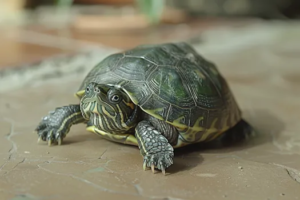
Internal Parasites in Turtles: Flukes and Protozoa
Flukes and protozoa are among the more common internal parasites in pet turtles, and knowing their signs helps you act before they drain your turtle's health. Flukes lodge in the liver, pancreas, and gut, causing appetite loss and bloody stool, while protozoa such as amoebas inflame the intestine and often trigger bacterial enteritis at the same time. Both are diagnosed through fecal checks and treated with specific dewormers plus gut support. This guide lays out the symptoms and the matching treatment for each parasite.

Your Dog’s Pica (Eating Non-Food) Is Simpler Than You Think
Pica is when a dog eats non-food items. Some dogs fixate on one object; others eat all sorts of strange things. It is dangerous because what they swallow usually stays in the gut undigested or disrupts digestion. Pica is not the same as eating feces—that common behavior is not classified as pica and is no cause for alarm. Causes range from simple hunger, poor nutrition, and hormonal imbalance to diabetes, thyroid disease, and even separation anxiety or stress (some breeds like Labradors are more prone). Diagnosis needs blood, stool, and urine tests, with no guarantee of an answer. Treatment depends on the cause: physical pica with digestive upset may improve by splitting two large meals into 3–4 small ones plus deworming and nutrition; psychological pica needs patient, cumulative retraining. Above all, do not blindly dose supplements—every dog's pica has a different cause.

Grooming and Coat Care for Your Cat
Shedding is normal—fur renews daily and surges with the seasons (long coat out, short coat in for summer; kept for winter). But shedding also rises from artificial temperature swings, poor diet (low protein/vitamins), skin damage (parasites, bad shampoo), hormonal imbalance after spay/stress, or old age. Improve coat quality with a clean, suitable environment, sunlight in short doses, and enough protein plus meat toppers. Groom by brushing out loose fur, massaging the skin, and a warm damp-towel wipe once a week to cut random shedding.

Why Isn’t My Ragdoll Cat Gaining Weight?
Ragdoll cats that eat plenty but never seem to gain weight worry many owners, yet the cause is not always disease. Genetics, low activity, or an unbalanced diet may simply mean your cat burns or absorbs fewer calories than expected. Parasites are another common culprit that blocks nutrient absorption. If diet and exercise adjustments bring no improvement, a veterinary check-up can rule out hyperthyroidism, digestive disorders, or liver problems. This article explains the likely causes and the practical steps you can take at home to help your Ragdoll reach a healthy weight.

Why Your Dog’s Teeth Are Bleeding
Bleeding from a dog's mouth is common and usually mild, but it is worth understanding the cause. Puppies around three to four months old often bleed a little as loose baby teeth fall out — normal, but watch the diet. In adult dogs, bleeding gums usually point to dental disease: tartar sitting at the gum line constantly irritates the tissue and causes gingivitis or periodontitis. Hard objects can also cut the gums, and a lack of vitamin C plays a role. Because persistent bleeding can signal serious dental disease, a veterinary exam is the safe move.

6 Common Cat Diseases and How to Prevent Them
Cats hide pain well and can't tell you what's wrong, so owners need a basic grasp of common feline illnesses. Beyond regular checkups and vaccines, know the warning signs of the six frequent problems: urinary tract disease, respiratory infection, periodontal disease, parasites, ringworm, and ear mites. This guide summarizes each condition's symptoms and the everyday prevention that matters most—more water, less stress, dental care, deworming, and a clean, dry environment.