Search Results
2444 results for “Vitamin B”

Caring for a Cat With a Delicate Gut
A fragile gut shows as diarrhea, constipation, bad breath, vomiting, or poor appetite—if two or more last over three days, take it seriously. Causes range from stress (moving, sudden food changes, strangers) and seasonal chills to lactose intolerance, gastritis, and parasites or viruses (including panleukopenia). Respond by deworming if overdue, rushing to a vet if fever swings with sudden vomiting (could be distemper), or giving cat probiotics and a plain, additive-free, moist, nutrient-rich diet while boosting water and vitamins.

Can Dogs Eat Cheese?
Cheese is a familiar food that boosts a dog's appetite and supplies calcium, but is it really suitable? Over 4,000 cheeses exist. Harms: overfeeding causes obesity, but more importantly cheese delivers high sodium and lactose. Cheese-making uses salt, and its sodium can cause high blood pressure and organ damage, so experts do not recommend feeding cheese long-term. Benefits: good protein; essential vitamins and minerals; rich calcium; vitamin A; B vitamins; healthy fatty acids. Avoid: blue cheese and other French cheeses—blue produces a toxin fatal to dogs (difficulty breathing, racing heart, then seizures; needs prompt stomach pumping) and has the highest sodium; cheeses with garlic or herbs (Havarti, even cream cheese); Brie and feta, the highest in saturated fat, which can trigger pancreatitis. Dogs to avoid cheese: overweight; lactose-intolerant (diarrhea); picky eaters (cheese won't fix appetite); those with digestive disease (a burden). Choose: low-fat cheese, and cottage cheese if possible (lowest fat and sodium)—always read the label.

Recipe: Raw Rabbit Bone-Meat Cat Food
Raw rabbit is a lean, novel-protein main meal many cats love and that suits those with sensitivities to common meats. The base is rabbit leg (about 80%) with heart and liver for organs, then the usual supplement set: taurine, calcium, a multivitamin, a little vegetable-and-fruit puree, alfalfa and kelp powder, probiotics, and salmon oil. Dice the meat, stir everything with cooled boiled water, portion one meal and freeze the rest. It takes under ten minutes.

Recipe: Raw Egg for Cats
A raw egg is about the quickest cat-food topper you can make — crack one into the bowl and serve. Eggs are a superb, easy-to-digest source of protein and supply more than ten amino acids cats need, which is why owners credit them with a shinier coat and brighter eyes. The two common worries are bacteria and egg white: buy tested, clean eggs to lower any infection risk, and at a rate of one or two a week the white does no harm. Cooking the egg is fine too.
Why Is Your Cat Shedding?
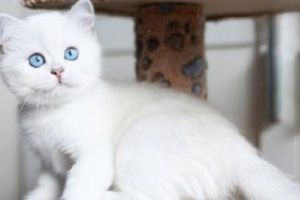
Shedding is often normal: kittens lose soft baby fur around 4–8 months, and all cats do a seasonal coat change in spring (March–May) and autumn (September–November). But it can also signal trouble—external parasites (mange mites, fleas) cause redness, itching and hair loss; poor nutrition or too much salt weakens the coat. Rule out illness, then manage loose hair with a vacuum and a de-shedding tool. Never over-salt the food, and keep protein and vitamins adequate.

Dealing With Heavy Spring Shedding
In the shedding season cats are walking dandelions as they swap coats for the new climate. Fight it four ways: brush daily with a multi-tooth pin brush (gentle, so the cat learns to love it); bathe monthly with cat-specific shampoo and dry thoroughly; feed a balanced diet with skin-support nutrients like omega-3/6; and use a hairball gel (a gut lubricant, not a dissolver) instead of inducing vomit with cat grass, which can inflame the esophagus and trigger pancreatitis.

Recipe: Raw Chicken Cat Food (with Bone Meat)
Raw chicken cat food is the most accepted homemade meal — even cats that turn up their nose at beef, lamb, or rabbit will eat chicken, and it is gentle on the wallet. The base is chicken thigh and breast (about 80%), with heart, liver, and gizzard for organs, then a short list of supplements: taurine, calcium, a multivitamin, a little vegetable-and-fruit puree, alfalfa and kelp powder, probiotics, and salmon oil. Dice the meat, stir everything together, portion one meal and freeze the rest. It takes under ten minutes.

Why Are My Cat’s Paw Pads Cracked and Peeling?
A cat's paw pads are usually soft and smooth, so cracking or peeling stands out. The cause is often simple—dry autumn air—but it can also signal ringworm, a nutrient gap, or a cut from rough play. Because the pads matter for everything a cat does, the issue deserves a quick look. This guide covers the four common reasons and the matching care, from a dab of moisturizer to a veterinary visit.

Dog Is Bloated but Not Defecating — What to Do
A dog with a swollen belly that will not pass stool is usually constipated, but the underlying reason matters: it could be simple indigestion, a bowel blocked by a swallowed object, too little exercise, or a painful condition that makes the dog hold back. Matching the cause to the fix prevents a minor issue from becoming an emergency. This guide lists the common causes and the practical steps—water, probiotics, exercise, and portion control—that get things moving again.

Is It Normal for a Rabbit Not to Poop for a Day?
Rabbits digest food quickly and usually pass droppings soon after eating, so a full day without poop can be a warning sign. It may simply mean your rabbit ate little, or it could indicate constipation from poor feeding, lack of exercise, weak digestion, hairballs, or a dirty water supply. Owners should keep food and water fresh, monitor intake, and help with fluids, probiotics, and exercise when needed. Understanding the cause is key—this article breaks down why rabbits stop pooping and how to respond.