Search Results
187 results for “Urinary blockage”
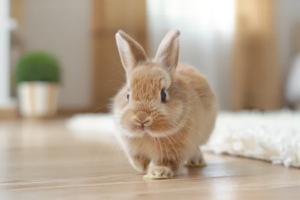
Common Urinary Tract Diseases in Rabbits
Rabbits often face urinary infections, urethral stones, and bladder stones, mostly from bacteria, low water intake, or too much calcium, while unspayed females are prone to uterine cancer. Infections show as incontinence and leaking; stones cause painful urination, blood, curling, teeth grinding, and can fully block the urethra. Bladder stones need fluid flushes and repair; urethral stones require surgery; uterine cancer needs tumor removal plus medication. Lower the risk by spaying early, keeping the habitat clean, ensuring ample water, and balancing the diet to avoid excess calcium.

Urolithiasis (Urinary Stones) in Dogs and Cats
Urolithiasis is the presence of stones anywhere in the urinary tract - kidneys, ureters, bladder, or urethra - causing painful, difficult urination and blood in the urine. It is linked to diet, low water intake, mineral imbalance, and infection. Diet change, medication, or surgery removes the stones.

What to Do When Your Dog Has Urinary Stones
Urinary stones — in the kidney, ureter, bladder, or urethra — show up as strained, painful, or bloody urination. Knowing the stone type and location guides whether dissolution, diet, medicine, or surgery is the right call.

Why Is Your Cat Vomiting? Common Causes
Occasional vomiting may be normal, but frequent vomiting needs attention. Causes include hairballs, parasites, food issues, and urinary blockage — judge by the vomit, frequency, and energy level.
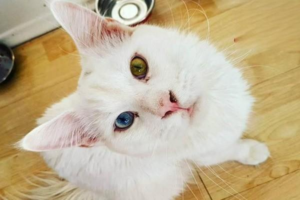
Why Isn’t a Neutered Male Cat Urinating?
No urination within 24 hours after neutering is normal, wound pain; beyond that, watch for stress-induced cystitis, urinary infection, stones, or even kidney failure, male cats are prone to urinary blockages. Diagnosis needs urine and blood tests plus imaging; treatment ranges from antibiotics and diuretics to stone removal or kidney support.

How to Prevent Kidney Failure in Dogs
The kidneys filter blood toxins and balance electrolytes; failure lets uremia build. Prevent it by locking away toxins, treating urinary blockages early, feeding a balanced diet, keeping water available, logging changes, getting checkups, and neutering if not breeding.

Why a Male Cat Suddenly Smells Strongly of Urine
A sudden strong urine odor on a male cat can be normal (heat, scent marking) or a warning sign (anal glands, urinary blockage). This guide explains the causes and how to remove the smell safely.
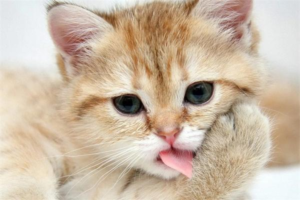
How to Calm a Stressed Cat (Feline Stress Response)
Stress can cause digestive issues, mood swings, and behavior changes. To ease it, find the cause, create a stable safe environment, spend more time, and use pheromones or calming scents. Prevention is a stable home and watching mood. If the cat vomits, won't eat, or shows urinary blockage/blood, see a vet promptly.
Cat barely eats, vomits it back up, small frequent urination, now can’t urinate after a clinic shot — what’s wrong?
This points to urinary blockage from feline idiopathic cystitis, bacteria, or crystals/stones. Vomiting means the blockage may press on the gut or damage kidneys. Emergency catheterization is needed; delay risks post-renal kidney failure.
My cat suddenly can’t urinate – straining with little output for over half a day – what should I do?
Frequent, unproductive straining indicates urinary blockage, an emergency that can burst the bladder or cause kidney failure. Seek immediate veterinary catheterization.