Search Results
49 results for “Urinary Health”

Why Does Your Pet Rabbit Smell?
A strong rabbit odor can come from diet, poor hygiene, health problems, or sex differences. To reduce it, manage the diet and living space, clean the rabbit appropriately, and check its health regularly. Most odor comes from urine and droppings, so clean the habitat often to stop them from lingering.
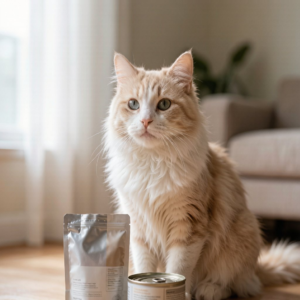
Dry or Wet Cat Food: Which Is Better? (Most Owners Pick Wrong)
Neither dry nor wet food is absolutely better; it depends on the cat. A healthy adult can follow a "dry in the morning, wet in the evening" rule, meeting nutrition and water needs while avoiding spoilage. Special cases, senior cats with poor teeth, 2-3 month kittens, and cats with urinary disease, should lean toward wet food. The catch: long-term wet feeding needs extra dental care. Dry food is convenient, cheap, and helps scrape teeth but is only ~5% moisture and calorie-dense, raising dehydration and obesity risk. Wet food is 70-80% moisture, tastier, and nutrient-rich but costs more, spoils fast, and leaves more residue on teeth.
Why Has Your Cat Suddenly Become Aggressive?
A cat can turn aggressive for many reasons, including physical health problems, social conflict, bad past experiences, lack of play and stimulation, and fear or stress. Owners should learn their cat's physical and emotional needs and provide affection, social contact, stimulation, and a safe environment to prevent negative moods. If the aggression persists or worsens, have the cat checked at a veterinary clinic and, when needed, consult a professional animal behaviorist.

Why Is My Dog in Pain When Urinating?
When a dog shows pain while urinating, the cause is usually a problem in the urinary tract, such as a urinary infection, bladder stones or crystals, or a blockage. Along with painful urination, you may notice frequent or urgent attempts to urinate, straining, reduced output, blood in the urine, cloudy or pus-like urine, or a complete inability to pass urine. Because these conditions can quickly become serious, any sign of painful urination means your dog should be seen by a veterinarian promptly. Diagnosis may involve urinalysis, X-rays, ultrasound, or other tests, and treatment is chosen according to severity, ranging from relieving a blockage and catheterization to medication or surgery.
Why Is My Chinchilla Peeing Outside the Litter Box?
Chinchillas may urinate in the wrong places for several reasons—bad habits, low mood, estrus, territorial marking, or an underlying urinary infection. Each cause needs a different response. The key first step is to clean any accident thoroughly so the scent doesn't train your pet to reuse the spot. Feeding on a fixed schedule keeps a hungry or unhappy chinchilla calm, while separating cages and considering neutering curbs marking during heat. If urination becomes frequent or the urine looks dark, a vet check rules out infection.
Cat ‘Garlic-Clove’ Coat vs. Dirty Fur: How to Tell Them Apart
A 'garlic-clove coat' is a cat-lover's term for fur that parts into neat, clove-like segments — a sign of dense, healthy undercoat on a slightly plump cat, borrowed from the fur industry's 'garlic-clove fur.' It feels smooth and springs apart with a light rub, usually along the neck, back, and sides. Genuinely dirty or oily fur, by contrast, clumps in greasy, sticky strands near the paws, belly, or tail tip. A garlic-clove coat signals good nutrition (but possibly excess weight), while real dirt needs a bath. Keep the coat lush with high-protein food, B vitamins, fish oil, and regular brushing.
Why Dogs Drink Less in Cold Weather (and Why It Matters)
As temperatures drop, many dogs drink far less, but winter dehydration is no minor issue — it can concentrate urine, form mineral crystals, and lead to urinary tract infections, stones, or even blockages. Low water also slows digestion and causes constipation, strains the kidneys, and thickens the blood, burdening the heart. A healthy adult dog needs 40–60 ml of water per kg daily, and no less than 30 ml/kg in winter. To encourage drinking, offer warm water (28–40°C), add a splash of something tasty like broth, place bowls around the home, use a flowing fountain, and boost activity on sunny days so your dog drinks after exercise.

Will Hitting a Cat Stop It From Peeing on the Bed?
Many cats develop a habit of urinating on the bed, and the strong odor of cat urine makes the smell linger even after cleaning, causing real frustration for owners. Some pet parents believe a quick swat will teach a lesson, but punishment rarely works. Most cats that are hit will hold a grudge and may urinate on the bed even more, or act out with scratching, sofa damage, or nighttime attacks. In truth, bed-wetting usually signals an underlying issue—heat cycles, stress, or a urinary or reproductive disease—not defiance. The right approach is to rule out medical problems, consider spaying or neutering, check the litter box, clean accidents thoroughly, and reward correct toileting. Guidance, care, and positive reinforcement, rather than punishment, are what truly resolve the behavior.
Foods You Should Never Feed Your Cat
Cat food is the safer choice over table scraps because it is balanced for a cat's needs, while homemade meals are hard to get nutritionally right. Some human foods are downright dangerous for cats. Allium vegetables - onion, scallion, garlic, leek - cause vomiting, diarrhea, anemia, and bloody urine, and the toxins survive cooking; avocado brings similar dangers and can be fatal. Chocolate causes diarrhea and vomiting and, in quantity, sudden death. Raw eggs can trigger diarrhea, skin, and eye problems (cooked is fine); shellfish can cause skin disease; and dog food lacks taurine, so long-term feeding leads to taurine deficiency. Milk and fish are okay in small amounts, but go easy on high-magnesium dried seafood to avoid stones.
The Secret Story Your Cat’s Urine Tells
A litter box is a daily health report if you know how to read it. Volume, color, and smell reveal early warnings of kidney disease, diabetes, infections, or bleeding. Tracking frequency, amount, color, and odor helps catch problems before they grow, and gives your vet useful data when something looks wrong.