Search Results
49 results for “Urinary Health”

How to Care for a Senior Dog
Senior dogs need grooming help, proactive pain management for arthritis, vet-prescribed NSAIDs or other pain meds, and quality supplements (look for the NASC seal). Vet visits every 6 months after age 10 catch problems early. You and your vet are a team for a pain-free life.

Cat Anatomy and Nutritional Requirements
A cat's body has nine notable parts (limbs, eyes, teeth, paw pads, nose, tongue, claws, whiskers, ears), and its diet needs core nutrients: protein, fat, carbohydrates, water, crude fiber, magnesium, calcium, phosphorus, and taurine. As obligate carnivores, cats need animal-source nutrition.

What to Do About Cat Stress (Stress Response)
Stress weakens a cat's immune system and can trigger bladder, gut, and breathing problems along with anxiety. A calm environment, a safe hideaway, and patience help; good early socialization prevents much of it.
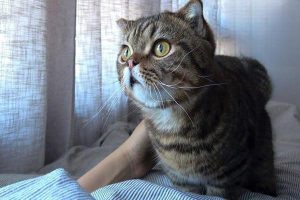
What to Prepare Before Bringing Home a Cat
Before a cat arrives, stock up on the essentials: age-appropriate food, a warm bed, separate bowls, a litter box, and basic supplements. A cat carrier and a few toys can follow later.

Dog Foods That Boost the Immune System
Dogs thrive on meat but still benefit from certain fruits and vegetables. Ten common, nutrient-rich options — from cranberries to coconut oil — can support immunity, digestion, and long-term health when fed in the right way.

Why Your Cat Won’t Eat Its Food
A cat that refuses food needs attention — some causes are simple, others serious. A vet will ask about recent diet and household changes and run tests to find the reason, and prompt care leads to good outcomes for many conditions.

How High Is the Survival Rate for Acute Kidney Failure in Cats?
A cat's odds of surviving acute kidney failure depend mainly on how early it is caught: prompt diagnosis and treatment can restore normal kidney function, while delay is often fatal. Causes range from toxins to blockages, and treatment centers on fluids, medication, and sometimes dialysis.

What to Know About Feeding a Labrador Retriever
Labradors thrive on age-appropriate food, a steady feeding schedule, and balanced nutrition. Portion control, clean water, and avoiding hard exercise around mealtimes protect them from digestive trouble and joint strain.

What to Do When Your Cat Can’t Urinate
When a cat strains without producing urine, the cause can be water, food, or a health problem. Low intake, salty meals, or a urinary blockage all play a role. Rule out the simple fixes first, then see a vet if nothing changes.
- « Previous
- 1
- …
- 3
- 4
- 5