Search Results
3206 results for “Temperature”

Why Does a Parrot Fluff Up Its Feathers?
Fluffing isn't always illness — a parrot also fluffs when angry or tired, which is normal. Learn the common causes and symptoms to tell them apart.

How to Treat Dog Rhinitis, and Can It Be Cured?
Like people, dogs get rhinitis from colds or other triggers—runny nose, blocked breathing, snoring. Treatment is cause-based. Here is how to treat and prevent it.
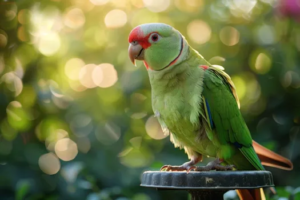
Is My Budgie Dying If It Fluffs Up and Looks Lethargic?
A budgie that fluffs up and looks weak may have a cold from cold weather, with sneezing, diarrhea, and lethargy. Take it to a vet promptly; mild cases can be watched with warmth, glucose, and clean water.
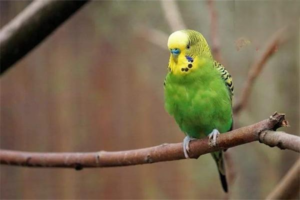
Does a Parrot Fluff Up When It’s Angry?
A parrot fluffs up when startled or threatened, warning others away. But fluffing also signals illness. Learn the common reasons — fatigue, parasites, gut trouble, or a chill.

Rabbit Mastitis
Mastitis in rabbits causes loss of appetite and refusal to nurse; without prompt treatment the doe can die from septicemia. The main signs are a hot, red, painful udder that may turn blue in severe cases. It most often appears in nursing does around 20 days after kindling.
Occurrence Patterns of Rabbit Infectious Rhinitis
Infectious rhinitis in rabbits follows clear, predictable patterns. Incidence rises with higher stocking density, certain cage arrangements, the rearing method, the rabbit's breed and age, and seasonal temperature swings. Understanding these patterns helps breeders reduce outbreaks through better housing and management.
Common Causes and Medications for Cough in Dogs and Cats
A cough in dogs and cats can be dry or productive and stems from viruses, bacterial respiratory infection, parasites (heartworm, roundworm), irritants or foreign bodies. Treatment targets the cause — antivirals, antibiotics, dewormers, bronchodilators and cough suppressants — while vaccines, regular deworming and a clean, dust-free home prevent most cases.

Causes of Rhinitis in Rabbits
Infectious rhinitis in rabbits is hard to cure and hard to prevent, with high rates on many farms. The main drivers are crowding, poor ventilation, sharp weather changes, breed susceptibility (angora and fur rabbits are worst), and low husbandry standards.

Prevention and Treatment of Infectious Rhinitis in Rabbits
Infectious rhinitis in rabbits is hard to cure and best prevented: strict husbandry, low density, good ventilation, solid nutrition and the Pasteurella–Bordetella vaccine cut the risk. For outbreaks, antibiotics such as penicillin, streptomycin, kanamycin or gentamicin by injection, plus enrofloxacin in water for whole-group infection, are the main treatments.

Common Causes, Symptoms and Treatment of Pet Colds
Pets catch colds easily — usually from chills (season changes, baths, drafts, rain, cold floors) or low resistance. A plain cold can worsen into something serious, so treat it early. Never give human cold medicine (acetaminophen is toxic to dogs and cats); use pet-specific drugs. Learn the warning signs that separate a cold from pneumonia, rhinitis, feline herpesvirus (cat flu) or distemper.