Search Results
3206 results for “Temperature”

Transmission Routes of Infectious Canine Hepatitis
Infectious canine hepatitis spreads through the digestive tract, the placenta, respiratory contact, and external parasites. Secretions and excretions from sick dogs and recovering carriers stay infectious and must be handled carefully. Here is how the disease spreads and what symptoms to watch for.

Key Points for Rabbit Care in October
October brings big day-night temperature swings and the molting period, raising disease risk, so the focus is protecting pregnant does through each pregnancy stage and preparing the kindling box, storing dried forage, and preventing contagious disease with vaccination, stable warmth, and weekly disinfection.

Productive Lifespan of Breeding Rabbits
A breeding rabbit's best years are the first one to two, with productivity then falling 15 to 20 percent a year, so renew stock every 2 to 3 years. Give breeders a clean, dry, well-ventilated hutch, breed in spring and autumn, cool them in summer, and keep them warm below 5°C.
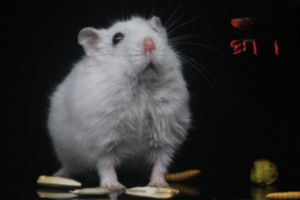
Why Hamsters Play Dead and What to Do
Hamsters play dead as a self-defense instinct when threatened or stressed, but it can also be deep sleep or, dangerously, pseudo-hibernation in winter. Wake a faking hamster with companions, play, food scents, or warmth, and always check body temperature and heartbeat if it lasts.
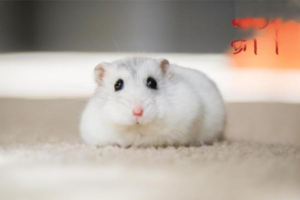
What Do Probiotics Do for Hamsters?
Probiotics help hamsters by consuming gut oxygen to favor good bacteria, suppressing E. coli and Salmonella, boosting immunity, improving absorption of iron, zinc, calcium and vitamins for better coat and bones, and rebuilding gut flora. Use only small-pet formulas, keep them refrigerated, and mix with water below 40°C.

Can Hamsters Eat Watermelon?
Hamsters can eat watermelon rind and seeds but not the sweet, watery flesh, which causes diarrhea. Serve room-temperature rind in small amounts for a cooling snack, and offer sun-dried seeds as a protein treat, while keeping the hamster well watered.

Six Key Points for Breeding Rabbits in Summer
Summer breeding needs care: mate does below 25°C at cool times, keep bucks at about one mating a day, set first-mating age at 5 to 7 months by size, pair similar-aged adults, and use repeat or double mating to lift conception. Put the doe in the buck's cage, never the reverse.

Can Hamsters Sunbathe?
Hamsters should never be put in direct sunlight. As nocturnal animals their eyes are built for low light, so sun exposure can injure their eyes; their safe temperature is around 25°C, above which they risk heatstroke and death within minutes; and bright light stresses them badly. In winter, keep them warm with extra bedding and a warmer, well-ventilated room instead.

Why Do Rabbits Have Trouble Conceiving?
Poor conception in does usually traces to body condition (over-fat or under-fed), missing nutrients like vitamins A and B, poor light or temperature, reproductive disease, or weak bucks. Find the exact cause before treating — the autumn molt and old age also lower fertility.

Doe Rabbit Estrus Cycle
A doe's cycle is not fixed — it runs about 6–15 days with each heat lasting 2–4 days, shaped by nutrition, light, and climate. Heat rates and shorter cycles peak in spring and early autumn with good light and mild temperatures; cold, low light, poor nutrition, illness, or stress can delay or stop heat. By age 4–5 the ovaries fade and cycling ends.