Search Results
3205 results for “Temperature”

Dog Panting After a Few Steps? Don’t Ignore Heart Trouble
A dog that pants heavily or struggles to breathe after only a short walk may be signaling heart disease rather than mere old age or extra weight. Key warning signs include a sudden drop in stamina, labored breathing at rest, blue-tinged gums, nighttime coughing, and lethargy. Early veterinary diagnosis and daily heart-care management can dramatically slow progression and extend your dog's life.

Mud and Musk Turtles (Egg Turtles)
The 'egg turtle' is not a single species but the common nickname for the family Kinosternidae — mud turtles and musk turtles — named for their smooth, egg-shaped carapace. Mostly North American, they are popular, interactive pets, but each species differs in size, care difficulty and husbandry, so research the exact species before buying.
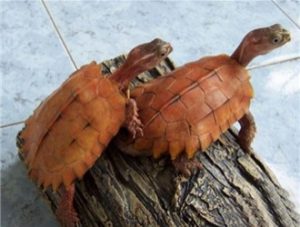
Black-breasted Leaf Turtle
A tiny, leaf-shaped turtle from southern China and Southeast Asia, famous for its golden carapace with twelve keels and notorious for being one of the hardest chelonians to keep.

Golden Python
The Golden Python is a patternless, leucistic morph of the Burmese python (Python bivittatus), prized for its uniform golden-cream coloration. Wild-type individuals cannot survive in nature due to a lack of protective melanin, so every specimen in captivity is captive-bred. A large, heat-loving constrictor, it needs steady temperatures of 26–33°C, regular soaking to aid shedding, and a diet of whole rodents or rabbits.

Ataxia Syndrome in Dogs and Cats: Symptoms, Treatment, and Prevention
Ataxia syndrome is incoordination of the limbs from disease of the central nervous system, peripheral nerves, or the limbs themselves, often secondary to infection, poisoning, or inflammation. Signs vary by cause - from whole-body illness to local swelling, fracture, or tendon rupture. Treatment targets the underlying disease.

When Your Dog Pants After a Short Walk: A Heart-Health Warning
Panting after brief exercise can be normal, but a formerly active dog that tires after a few steps, pants without exertion, coughs at night, or shows blue gums may have heart disease. Veterinary heart assessment and early care greatly slow progression.

Shock in Dogs and Cats
Shock is acute circulatory failure that leaves vital organs starved of oxygen. It can follow severe disease, trauma, or poisoning, and shows as pale gums, weakness, cold extremities, and collapse. Treating the underlying cause is the foundation of recovery.

Frostbite in Dogs and Cats
Frostbite is tissue injury from prolonged cold, most often on the tail, ears, paws, and penis. It causes redness, then bluish swelling, and in severe cases skin or even bone death. Rewarming and preventing infection are the main goals.

Ephedrine Poisoning in Dogs and Cats
Ephedrine poisoning happens when pets receive too much ephedrine-containing medication. It causes restlessness, trembling, drooling, vomiting, and dangerously fast heart and breathing rates. Stopping the drug and prompt veterinary care are essential.

Strychnine Poisoning in Dogs and Cats
Strychnine (nux vomica) poisoning in dogs and cats causes sudden, severe nerve excitation. Affected pets become hyper-sensitive to sound and light, develop muscle twitching, seizures, and a rigid arching of the spine, and may die from respiratory paralysis. Immediate, calm veterinary care is essential.