Search Results
3212 results for “Temperature”
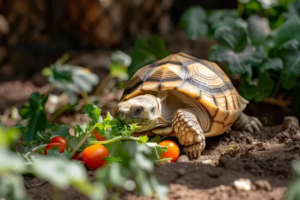
Why Does a Turtle Keep Trying to Escape
Turtles 'escape' mostly because something is wrong — poor water quality with low oxygen, a new and scary environment, hunger, or sensing danger like quakes or storms. Prevent it by changing all the tank water regularly, adding a secure lid, and providing shade and a hideout. If all is addressed and it still climbs, that's just instinct — just keep it safe.
How Often to Change Water for a Pond Goldfish?
Pond goldfish need water changes every 2 to 3 days, replacing about a quarter of the tank. They tolerate 0 to 38 C but are sensitive to temperature swings.
How Soon After a Parrot Hatches Can It Be Fed?
A parrot can be fed 6 hours after hatching, but it cannot eat on its own and needs careful hand-feeding of formula. Feed small amounts to avoid digestive upset.
How Long Does It Take an Arowana’s Broken Tail to Heal After a Fight?
Recovery from a broken tail depends on the damage: minor cases heal in days, severe ones may take 1 to 2 months. Juvenile arowanas recover faster.
How Long Can a Red Parrot Fish Live?
A red parrot fish typically lives 4 to 5 years, and with good care can live longer. Lifespan depends on the environment and feeding method.
How Often Does a Rose Hair Tarantula Molt?
A rose hair tarantula typically molts every 3 to 6 months, though the cycle varies with species, temperature, environment, and food. Molting completes within half a day and the spider needs no food for 3 days after.
How Long Should a Samoyed Sunbathe in Winter?
A Samoyed can sunbathe for 1 to 2 hours in winter. Moderate winter sun helps warm the dog, disinfects, and promotes calcium absorption.
How Long Do Red-Eared Sliders Hibernate?
Red-eared sliders typically hibernate for about 5 months, entering hibernation in November and emerging around March to April. The timing varies with regional climate and begins when temperatures drop below 15 C.
How long does a frightened flowerhorn stay dark after being startled?
A startled flowerhorn may darken but recovers in 3-5 days. Keep water stable at 28 C, skip feeding, and change only a third of the water within 2 C.
What should I do if my tiger barb’s mouth is rotting?
Tiger barb mouth rot usually means bad water - change it and add salt/conditioner. For bacterial cases, isolate, salt the tank, and treat with potassium permanganate or erythromycin.