Search Results
3212 results for “Temperature”

Why Is Your Blood Parrot Lying on the Tank Bottom?
A blood parrot resting on the tank floor can be normal (just napping), but it can also signal saprolegniasis or swim-bladder disorder. Rule out disease by checking water quality and behavior; treat fungus with isolation and salt baths, and swim-bladder issues with warmer water and regular changes.

Can You Spay a Female Cat in Heat?
No—you should not spay a female cat while she is in heat. The engorged, soft reproductive organs and dilated blood vessels make surgery riskier and raise the chance of heavy bleeding, and recovery is slower. Spay her after the heat ends (ideally in cooler months), and know the benefits plus how to handle a post-op wound.
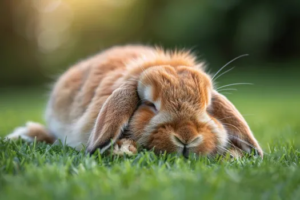
Why Does My Rabbit Have Cold Ears and No Appetite?
Cold ears in a rabbit usually mean its body temperature has dropped and it feels chilly — warm it up with a blanket and keep its environment at 18–24°C. If the ears are cold together with loss of appetite, an illness such as rabbit hemorrhagic disease, a cold or a serious condition may be lowering its temperature; watch for lethargy, sneezing, discharge or diarrhea and see a vet promptly.

How Turtles Hibernate
Not every turtle needs to hibernate—many tropical species (e.g., Matamata, Malayan snail-eating turtle, yellow-spotted river turtle) should not. For those that do, only healthy turtles should, after a two-week pre-hibernation fast to clear the gut. Methods are shallow-water (over-the-back) or buried-in-substrate; after hibernation, warm up gradually and do not feed until temperatures exceed 20°C.
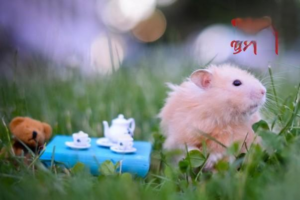
How to Keep Hamsters Cool and Prevent Heatstroke in Summer
In sustained high temperatures hamsters can suffer heatstroke. Use cooling bedding such as corn cob or cat litter instead of heat-retaining wood shavings, place the cage in a cool, well-ventilated room, and add a bowl of water or chilled stones to lower the ambient temperature. Make sure your hamster always has plenty of water to drink.

Tips to Help Your Parrots Breed and Hatch Successfully
After a pair bonds, prepare a roomy cage with a wooden nest box, high-calorie protein food, and warm bedding. During laying, candle eggs at one week to spot infertile ones; during incubation keep 28-30 C and 60-70% humidity, and supply steady food and calcium.

Guinea Pig Care: What to Avoid
Guinea pigs are relatively easy pets, but there are taboos: poor living conditions, random feeding, and cold environments among them. This list covers the key don'ts—from diet and housing to temperature and safe bowls—so your pig stays healthy.

Is My Chinchilla Dead If It Has Gone Stiff?
A chinchilla that suddenly goes stiff and motionless worries many owners, but stiffness is not always death. The common causes are low blood sugar, heatstroke, cold (entering a dormant state), and injury. Most are reversible with warmth, glucose water, cooling, or veterinary care—so check before assuming the worst.

How to Get a Parrot Fish to Develop a Nuchal Hump
A parrot fish develops its characteristic head hump only with the right genes plus stable warm water (around 26 C), clean frequent water changes, ample oxygen, and protein-rich or dedicated hump-growth feed.

Parrot Cold: Symptoms and Treatment
Parrots get colds from sudden temperature swings or drafts after bathing, showing lethargy, runny nose, and sneezing. Clean the nostrils, move the bird to warmth, and use bird-safe cold medicine; severe blockage can suffocate, so treat early. Note parrot colds can spread to humans.