Search Results
526 results for “Summer Care”

Common Mistakes in Hamster Care
Common hamster care mistakes: housing hamsters together (they're solitary and will fight or over-breed), putting them in direct sun (heatstroke), bathing them (risky — use bath sand), feeding human food (additives overload them), giving untreated tap water (chlorine poison — boil and cool), using newspaper as bedding (inky, poor), and giving too little space. Read on to raise yours safely.

How to Care for Different Types of Huskies
Huskies need different care at each life stage — breeding males, nursing mothers, unweaned and weaned puppies, and seniors all have their own needs. Here is how to handle each.

How to Properly Care for a Persian Cat
Persian cats are sensitive to change — a swapped food bowl can make them refuse to eat. Here are the key points for feeding, grooming, and keeping a Persian cat healthy.
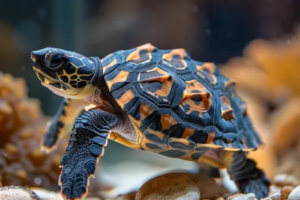
How to Raise Juvenile Turtles: Diet and Daily Care Tips
After their first winter, turtles enter the juvenile stage. At 1–2 years old they are small and fragile, so they need careful feeding and husbandry. Here are density, diet, temperature, and water tips.
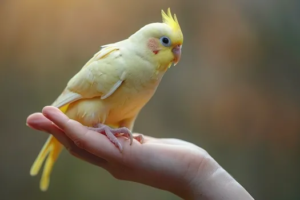
How to Care for a Myna Bird (and Daily Cautions)
A myna is a well-known, beloved bird; once tamed it becomes very clingy, much like a dog. Raise it in a roomy cage with perches and cups, feed chicks myna powder and adults egg-rice with meat and greens, keep the cage clean, and give water baths in summer. Watch temperature swings, prevent colds, and start speech training at 3-4 months.

How to Keep Goldfish Cool in Summer
Summer is peak growth season for goldfish. Right temperatures mean good appetite, more activity, and fewer illnesses, so they grow faster than in other seasons. Here are summer care and cooling tips.

Care Before and After Plucking a Long-Haired Rabbit’s Fur
Before plucking, comb the fur to prevent matting. After, strengthen feeding with digestible, nutritious feed and add some vitamins. This article covers more tips and cautions for plucking long-haired rabbits.

Lop Rabbit Care Essentials
Lop rabbits make popular pets but need correct care. Buy a 2 to 3 month healthy one, feed pellets and hay as staples with small vegetable and fruit treats (none under 6 months), never meat or spicy food, and keep cats away to avoid toxoplasmosis. Litter-train early, walk at dusk on safe ground, keep 18 to 25°C, and groom, bathe monthly, and trim nails.

What Do Guinea Pigs Eat and How to Care for Them
Guinea pigs are easy to keep, but new owners should learn the right diet and care: what to feed, how many meals a day, and so on. Here are the key points of guinea pig care.

How to Care for a Cockatiel
Cockatiels are sturdy climbers that love to chew wood, so use a roomy metal cage (about 45×60×40 cm per pair) with a 2 cm perch. Clean the water cup daily, disinfect cups weekly, and keep the room at 16–30°C. Feed a mixed seed diet—millet 40%, hemp 20%, panicum 20%, sunflower 10%, rice 10%—plus egg-food and greens. They breed from about eight months; skip summer breeding for better hatch rates, and keep things quiet during nesting.