Search Results
445 results for “Spoiled food”

How to Care for a Pekingese
The Pekingese—also called the Lion Dog or Beijing Dog—is a tiny, sturdy, ancient companion breed with a devoted, loyal nature and relatively simple care needs. Provide a warm, comfortable bed and a steady routine for eating, sleeping, and toileting. Feed a balanced diet of quality kibble plus safe additions like cooked vegetables and lean meats, and avoid onions, garlic, spicy or salty food, cold leftovers, raw meat, and caffeine. Groom daily, clean the eyes, ears, and paws weekly, brush the teeth several times a week, and bathe as needed to prevent skin and parasite problems.

Why Does Your Dog Keep Passing Smelly Gas?
A few farts a day are normal—gut bacteria make gas as they ferment food. But frequent, foul gas points to diet, fast eating that swallows air, an unbalanced gut flora, or illness like IBD, pancreatic trouble, or parasites. Fix it with a quality low-filler diet, a slow-feeder bowl, daily exercise, belly massage, and pet probiotics. If gas comes with diarrhea, vomiting, or weight loss, see a vet.
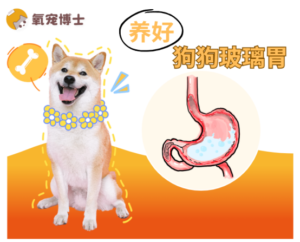
How to Care for a Dog with a Sensitive Stomach
A weak gut hurts more than digestion—it drags down nutrient uptake and immunity. Causes range from sudden diet changes and parasites to infection, chronic gut disease, and stress. The fix is a gentle, single-source diet on a fixed schedule, a careful transition to new food, light toppers like pumpkin or boiled chicken, and pet probiotics. Keep the belly warm and add gentle exercise; see a vet for persistent vomiting, blood, or lethargy.
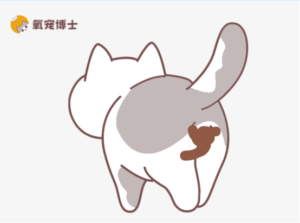
Kitten Always Has Poop Stuck on Its Fur?
Poop clinging to a kitten's rear fur almost always traces back to soft stool or diarrhea. The loose stool can come from diet, food allergy, parasites, flora imbalance, or underlying disease, while body shape, long hair, flat faces, and very young or old age make self-cleaning hard. Soften and wipe gently, then fix the root by firming the stool—and see a vet if soft stool persists.
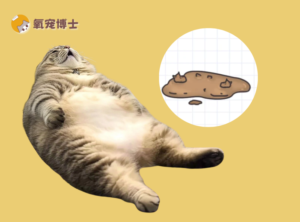
Cat Has Chronic Diarrhea? It’s More Than a Sensitive Stomach
Long-term diarrhea in cats is rarely just a 'delicate stomach' you can fix by swapping food or adding probiotics. Diet and food allergy are common, but so are parasites (some needing specific drugs), inflammatory bowel disease, and metabolic diseases like pancreatitis, hyperthyroidism, or kidney disease. Stress is a third driver. Work through the causes step by step and let a vet run the right tests.

Enrofloxacin for Pets: What It Treats and Key Safety Notes
Enrofloxacin is a third-generation fluoroquinolone antibiotic made for animals. It works by blocking a bacterial enzyme needed for DNA replication, and it is commonly used for urinary, reproductive, digestive, and skin or soft-tissue infections in dogs and cats. It is prescription-only: typical oral dosing is 5–10 mg/kg per day, and several groups should never receive it. Always follow your veterinarian's plan.

Narrow-bridged Musk Turtle
The Narrow-bridged Musk Turtle (Claudius angustatus), nicknamed the king of the mud-and-musk turtles, is an expensive, fierce-tempered and highly entertaining aquatic turtle. It tolerates deep water but can still drown.
Hwamei (Chinese Hwamei)
The hwamei (Garrulax canorus) looks plain but has a famously loud, melodious song and has long been a prized cage bird in China. It is shy and alert, feeds on insects and seeds, and is the city bird of Guangzhou.

Acute Enteritis in Dogs and Cats
Acute enteritis is a sudden inflammation of the intestinal wall that causes digestive upset, abdominal pain, diarrhea, and fever in dogs and cats of any age or breed. Young animals tend to be affected more severely; treatment focuses on rehydration, controlling vomiting, and treating the underlying cause.

Acute Gastritis in Dogs and Cats: Symptoms, Treatment, and Prevention
Acute gastritis is sudden inflammation of the stomach lining in dogs and cats, causing vomiting and abdominal pain, especially in puppies. Most cases improve with veterinary care, fluid support, and temporary fasting.