Search Results
445 results for “Spoiled food”

Why Is Your Dog Pooping Blood?
Blood in a dog's stool is a red flag that needs a clear diagnosis before treatment. The leading causes are parvovirus in unvaccinated puppies, intestinal parasites, swallowed foreign objects, and diet shocks such as sudden food changes or rich, spoiled food. See a vet quickly to find the cause rather than guessing.

Cat Has Smelly Yellow Diarrhea but Still Acts Normal
Smelly yellow diarrhea with normal energy usually points to diet—spoiled food, too-hard kibble, or toxins. Stress, overfeeding and chills also trigger it. Fast half a day, use a probiotic and keep the cat warm; persistent or toxic cases need a vet.
How to Treat Cat Gastroenteritis
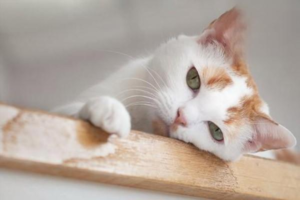
Gastroenteritis is common in cats—their digestion handles grains and sharp bones poorly, and spoiled food can trigger acute gastritis. Signs are vomiting, diarrhea, lethargy, appetite loss and dehydration. Withhold food briefly for mild cases, but persistent symptoms, especially in kittens, need a vet.
Can You Treat Cat Vomiting with Chinese Medicine?
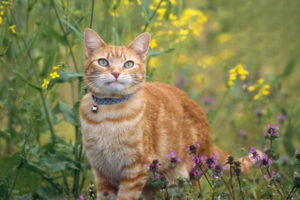
Vomiting in cats ranges from mild nausea to refractory vomiting with bile or blood, and the underlying cause — diet, toxins, or disease — decides the treatment. A traditional herbal formula (banxia, dried ginger, persimmon calyx, dried tangerine peel in honey pills) calms many types of vomiting, while toxic cases need an injectable antidote and severe dehydration needs fluids first. Always keep water available and resume small, easily digested meals once vomiting stops — never starve the cat.
How to Treat Diarrhea in Parrots (and Which Medication to Use)
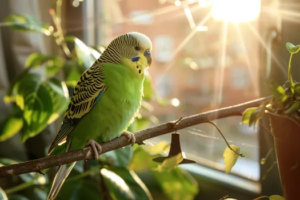
Diarrhea is as common in parrots as a cold is in people, and usually mild — but severe cases can be fatal. It is triggered by chilling, overeating, or spoiled and contaminated food, and is managed by warming the bird, switching to dry grains, and, for bacterial cases, a carefully dosed course of oxytetracycline.

Common Illnesses Dogs Face in Summer
Summer raises a dog's risk of heart trouble, colds, skin pests, gut disease, and heatstroke, with flat-faced and senior dogs most vulnerable. Keep exercise moderate, food fresh, parasites controlled, and never let a dog bake in the heat.

Why You Should Leash Your Dog Outdoors
Keeping your dog leashed outdoors is responsibility to others and to your own pet. Off-leash dogs can bite children or the elderly — spreading rabies or tetanus and creating legal liability — get hit by cars, flee in fright, chase other dogs, eat spoiled or poisoned trash, catch parvovirus or distemper from sniffing urine, or be stolen. A leash keeps the dog in sight and out of trouble.
Tips to Prevent Wet Tail in Hamsters
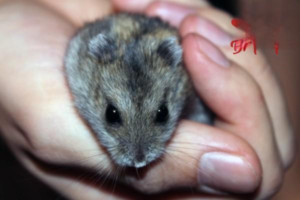
Wet tail is a deadly hamster diarrhea — gray-white, stinking stool, lethargy, often fatal within three days, usually from contaminated food or water and spread between cagemates. Prevent it with daily clean water (a little glucose helps), frequent food changes, dry absorbent bedding, and a well-ventilated cage; a pediatric probiotic can ease mild cases. Young hamsters need the most protection.

What a Pomeranian Must Not Eat
Keep Pomeranians off expired or toxic food, raw meat (salmonella and E. coli), small sharp bones, leftovers (pancreatitis, too much salt), and strong irritants like onion, garlic, and chocolate. Feed lean meat, kibble with veg, and add calcium, fish oil, and lecithin.

Dog Coronavirus: Symptoms and Prevention
Canine coronavirus starts with lethargy, appetite loss, vomiting, and watery diarrhea, and hits puppies hardest — dehydration, sunken eyes, and, without treatment, death within 1–2 days. Prevention is hygiene: daily kennel cleaning, disinfected bowls and water, colostrum for newborns, and immediate isolation plus vet testing at the first sign.