Search Results
445 results for “Spoiled food”
Why is my dog retching or gagging?
Common causes of vomiting include overeating, physiological vomiting, eating the wrong thing, internal parasites, and gut problems. Eating too much burdens the gut and triggers vomiting; some dogs throw up and re-eat food, which is normal. Dirty or spoiled food also causes vomiting, and if diarrhea or lethargy appears, see a vet.
What should I do if my dog vomits even after drinking water?
Vomiting even water may signal gut disease or pancreatitis, so find the cause first. Cold food on an empty stomach can upset the gut; try warm water with probiotic. Spoiled food causing poisoning or acute gastritis needs IV fluids and meds. Parasites or pancreatitis also cause severe vomiting, so see a vet.
What should I do if my cat has diarrhea with blood?
Bloody diarrhea is usually from parasites, viruses, or enteritis. Deworm for parasites, suspect feline distemper for viruses, and treat enteritis from spoiled food with anti-inflammatories and probiotics.

What to Do When a Hamster Is Weak and Lethargic
A usually lively hamster that suddenly turns weak and listless is signaling a problem worth watching. Causes range from illness such as a chill, gastroenteritis, dental trouble, or poor nutrition, to an unhappy environment that is too cold, humid, or noisy, to stress from bullying by other pets or a sudden move, and to a dull diet lacking key nutrients that lowers overall condition. Help it by improving the home: keep it clean, quiet, and comfortable with limited light and noise and add toys and climbs for enrichment. Offer fresh food and water and clear leftovers so it never eats spoiled food, and broaden the diet with vegetables, fruit, and mealworms for full protein, vitamins, and minerals alongside the base mix. If the weakness lingers, see a vet to find and treat any underlying disease. Tackle habits, diet, environment, and stress together for the best recovery.

What Vegetables Can Guinea Pigs Eat?
Guinea pigs are easygoing eaters, and the right vegetables are a healthy part of their diet. Good choices include carrots, rich in vitamin A and beta-carotene for eyes and skin and low in calories; spinach, full of vitamin C, K, and folate for bones and heart, but only in small amounts because its oxalates can strain the kidneys; broccoli, with vitamin C, K, minerals, and compounds that may lower cancer risk; choy sum, a low-fat, high-fiber green that aids digestion; lettuce, low-calorie and hydrating; and tomatoes, packed with vitamin C, A, B, and the lycopene antioxidant. Keep portions modest: too many vegetables at once flood the gut with water and can cause diarrhea or soft stool. Serve only fresh produce and clear leftovers promptly so spoiled food does not trigger gut inflammation or mold poisoning, and vary the vegetables to balance nutrition with their regular feed.

What to Do When Your Guinea Pig Has Diarrhea
Diarrhea in guinea pigs is common but can turn dangerous fast, leading to dehydration and even death if ignored. Causes range from too much watery produce, spoiled food, gut parasites such as coccidia, to stress. For mild cases, rehydrate with oral electrolyte solution and review the diet; for severe or ongoing diarrhea, a veterinarian should guide antibiotics and binders such as smectite or kaolin, with B vitamins and yeast to support the gut lining. Watch for three to five days, and if it persists, see a vet.
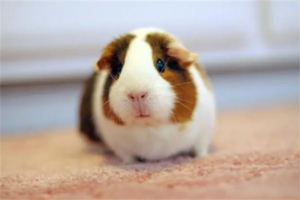
What to Do If Your Guinea Pig Won’t Eat?
A guinea pig that loses its appetite can signal illness—such as a cold, intestinal parasites, or dental problems—or simpler issues like a monotonous diet, spoiled food, a move, stress, or poor digestion. Because these animals are sensitive, the key is to find the cause and act. Offer varied, nutritious food (vegetables, fruit, pellets), encourage gentle daily exercise like walks or play to aid digestion, and watch its body closely so any health problem gets veterinary care quickly. With the right diet, a calm environment, and attention to its mood, most guinea pigs regain their appetite.
What medicine should I give a cat that vomits white foam?
White-foam vomit can signal spoiled food, a foreign object, hairballs or gastroenteritis. Medication is usually not advised until the cause is known, since a vomiting cat will just throw the medicine back up.

Which Turtles Prefer a Vegetarian Diet?
Most turtles are omnivorous and eat both plant and animal matter, but several species lean strongly toward plants. The Burmese peacock turtle is a rare, almost exclusively herbivorous species, while the impressed tortoise, yellow-spotted side-neck, yellow-headed temple turtle, and Asian giant turtle also prefer vegetation. Because a fully plant-based diet can cause nutritional gaps in side-necks and temple turtles, keepers should supplement with some animal or processed food to keep the diet balanced. Always wash fruits and vegetables before feeding and remove leftovers promptly so the turtle does not eat spoiled food.

Summer Hazards for Cats
Summer is a rough season for cats. With poor sweating, they overheat fast - five minutes on hot asphalt, in a sealed space or on a sunny balcony can cause heatstroke: high temperature, fast pulse, panting, then dizziness, vomiting and coma. Move them to shade and cool with water or a fan, and rush to the vet if it does not ease. Warm weather also brings acute gastritis from spoiled food (limit water and feed easily digested fluids) and skin disease from fleas, mites and fungi - treat the cause and keep up prevention with cleaning and deworming.