Search Results
35 results for “Sore hocks”
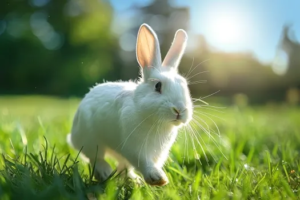
The Saibei Rabbit: A Breed Profile
The Saibei rabbit is a large dual-purpose (meat and fur) breed developed from the French lop and Belgian hare, common across northern China. It grows fast, breeds well, and resists disease, though litters vary in colour and build; like other large rabbits it is prone to sore hocks and ear mange, and it needs ample feed plus a strong constitution for good meat quality.
How to Keep Your Rabbit at a Healthy Weight
Both extremes hurt a rabbit — too thin means poor nutrition and weak immunity, too fat brings arteriosclerosis, fatty liver, spinal strain, sore hocks, and heart/lung load that shows up in old age. Control portions from a young age: open a small rabbit's appetite with more feed, but cap a large rabbit's intake, and keep it exercised.

How to Prevent Rabbit Foot Dermatitis
Prevent rabbit sore hocks with low humidity and good ventilation, a flat cage floor, strict hutch cleaning, whole-group mite control every 2–3 months, and routine foot checks when handling.
Factors That Influence Rabbit Foot Dermatitis
Rabbit foot dermatitis (sore hocks) is driven by genetics, body size, hutch dampness, and cage-floor construction. This article breaks down each risk factor and the clinical signs to watch for.
Rabbit Foot Dermatitis: Symptoms & Treatment
Rabbit sore hocks start as hair loss, crusting, and redness, then deep pus cavities if untreated—even sepsis. Treatment is daily cleaning with peroxide, deep medication, an E-collar, and consistent care.
Caring for a Rabbit With Foot Dermatitis
Beyond medication, rabbit sore hocks need cage fixes (smooth floor, dry and clean), adjunct anti-inflammatories, balanced vitamins, daily exercise, and the owner's patience for a stubborn, long-term condition.
Rabbit Foot Dermatitis: Symptoms & Treatment
Rabbit sore hocks start as hair loss, crusting, and redness, then deep pus cavities if untreated—even sepsis. Treatment is daily cleaning with peroxide, deep medication, an E-collar, and consistent care.
Rabbit Foot Dermatitis: Symptoms & Treatment
Rabbit sore hocks start as hair loss, crusting, and redness, then deep pus cavities if untreated—even sepsis. Treatment is daily cleaning with peroxide, deep medication, an E-collar, and consistent care.
Rabbit Foot Dermatitis: Symptoms & Treatment
Rabbit sore hocks start as hair loss, crusting, and redness, then deep pus cavities if untreated—even sepsis. Treatment is daily cleaning with peroxide, deep medication, an E-collar, and consistent care.

What to Watch When Raising a Lop-Eared Rabbit
Lop-eared rabbits are small, gentle, and popular, but new owners must heed five points or the rabbit may fall ill: age-based diet (alfalfa for pups, timothy for adults), a ventilated dry home (no outdoor in summer, a floor board in dog cages to avoid sore hocks), daily cleaning of urine, no baths (keep ears dry), and never lift by the ears grip the belly and rump instead.
- « Previous
- 1
- 2
- 3
- 4
- Next »