Search Results
39 results for “Siamese cat”
How Old Is Your Cat in Human Years?
The old 'one cat year = seven' rule is wrong; a 1-year-old cat is already like a 24-year-old human, and each year after adds about four, so an 8-year-old is roughly 48. Average lifespan is 10–20 years and hinges on care: indoor cats live far longer (stray Li Hua often under 3), while breeds vary—fold-ears under 10, Exotic ~11, BSH ~12, Persian ~15, ASH/Ragdoll ~15–18, Siamese ~18–20. Estimate age by teeth, eye clarity, muscle, and coat; extend life with a clean home, vaccines, good food, and rest.
How to Choose a Cat Breed
A 'pedigree' cat is one shaped by planned crosses and recognized by a registry—largely a commercial matter. Common breeds: American Shorthair (sturdy, calm), British Shorthair (round face, sweet), Chinese Li Hua (independent, a great mouser), Siamese (vocal, clever), Persian (long-haired, gentle), Exotic (flat face, prone to breathing/eye issues), Norwegian Forest and Maine Coon (large, adventurous, not ideal strictly indoors), and Ragdoll. Match temperament and your home to the cat, and beware breeds with known genetic problems.
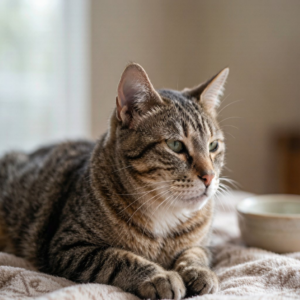
Why Does My Cat Always Lie Down? Understanding Feline Arthritis
If your cat spends most of its time lying down, walks with a limp, or refuses to be touched on the hind legs, it may be suffering from arthritis—a condition that affects up to 90% of cats as they age. Arthritis is the inflammation and degeneration of joint cartilage, most often secondary (degenerative) arthritis, which worsens as cats grow older. Cats are masters at hiding pain, so signs like reluctance to jump, reduced grooming, increased sleeping, and irritability can easily go unnoticed. Causes include aging, genetics, obesity, injury, and acromegaly. Treatment combines veterinarian-supervised medication (NSAIDs such as meloxicam), weight management with omega-3 and glucosamine supplements, and environmental adjustments like steps and soft bedding. Prevention starts with a healthy diet and keeping your cat lean.

Why Do Cats Get Stomatitis?
Feline stomatitis is a painful, chronic, immune-driven inflammation of the mouth—not just sore gums. Calicivirus and autoimmune disease are the usual triggers, while other viruses, plaque, breed, stress, and poor nutrition add risk. Because it hurts to eat, cats waste away, so finding the cause matters; for stubborn cases, full-mouth extraction often brings lasting relief.
Why Does My Silver Shaded Cat Shed So Much?
The silver shaded is a British Shorthair with a dense double coat, so it simply has far more hair to lose than a single-coated cat—earning its 'walking dandelion' reputation. Shedding doubles in the spring and autumn molts and during the kitten-to-adult and spay/neuter hormone shifts. Daily brushing, infrequent baths, and good nutrition manage it; patchy or symmetric loss with skin changes means a vet visit.
CoQ10 for Senior Cats with Heart Concerns: A Buying Checklist
The heart is the body's highest-energy organ and holds a large share of a cat's CoQ10, so as production falls with age or hereditary risk, supplementation can support heart-muscle energy and act as an antioxidant. This checklist explains why senior and high-risk cats are the ones most likely to benefit, the five points to verify before buying, and the safety limits every owner should respect.
CoQ10 for Cats and Dogs: Food Sources, Benefits, and Who Needs It
Coenzyme Q10 (CoQ10, or ubiquinone) is a fat-soluble compound that helps cells make energy and is concentrated in high-demand organs such as the heart, liver, and kidneys. Most healthy pets make enough on their own, but seniors, certain breeds, and pets with heart conditions may benefit from supplementation. This guide covers what CoQ10 does, which foods naturally contain it, which pets are most likely to need a supplement, and the key safety precautions to keep in mind.

Midget Sucker Catfish
The Midget Sucker Catfish is 4 to 6 cm long, also called the Earspot Catfish. Unlike many catfish, it does not eat plants. Because of its tiny size and ability to enter very narrow spaces, some keep it as the 'cleaner' of the aquarium.

Siamese Tiger Fish
In its native Thailand, the Siamese Tiger Fish is a food fish and a rather prized one. Thanks to its distinctive shape and striking pattern, it has become a very popular ornamental fish in recent years. Most specimens seen in the domestic aquarium market reach China via Singapore from Thailand.

Siamese Fighting Fish (Betta splendens)
The Siamese fighting fish (Betta splendens), native to Thailand, is one of the easier ornamental fish to keep, but two adult males will fight on sight—never keep more than one mature male per tank. Its vivid form and color make it a favorite among aquarists.
- « Previous
- 1
- 2
- 3
- 4
- Next »