Search Results
39 results for “Siamese cat”
Why Does a Siamese Cat’s Fur Turn Black?
A Siamese cat's coat darkens for a reason that has nothing to do with sunlight: it is driven by temperature. These cats carry a variant of the TYR gene that limits production of the enzyme tyrosinase, which only works properly in cooler areas of the body. As the weather turns cold, the points, face, and ears grow darker, sometimes leaving a near-black 'mask.' The change is largely genetic and cannot be reversed, but keeping the cat warm and limiting iron-rich foods such as liver can slow the process. This article explains the science and what owners can realistically do.
The Story Behind the Lucky Cat and Siamese Lore
The beckoning cat (Maneki-neko) traces to a poor temple whose cat lured samurai in from the rain, one of whom later donated riches. Siamese cats, meanwhile, carry royal-cat legends, though their curled tails actually come from inbreeding. Many pet tales blend folk hope with marketing.
When Is the Best Time for a Cat to Develop Fuller Cheeks
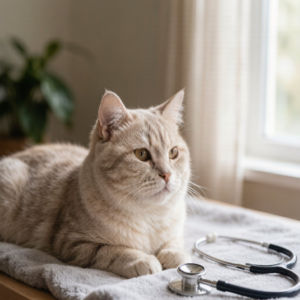
Whether a cat develops those rounded, full cheeks (often called "face fluff") depends mostly on sex, genetics, and breed. Female cats rarely fill out this way; it is usually intact male cats that do. Breeds such as the British Shorthair, American Shorthair, Exotic Shorthair, Persian, Chinchilla, and orange tabby are naturally prone to it, while hairless cats, Devon Rex, Russian Blue, Siamese, Oriental, and calico domestic cats tend to stay slender-faced. Most male cats begin filling out between six and eight months of age, and a son of a full-cheeked father is more likely to follow suit. Good nutrition during this window makes the difference.
Which Cat Breeds Rarely Bite? (And Why Personality Still Wins)
If you worry about being bitten, choose a naturally gentle breed: Ragdoll, British Shorthair, Maine Coon, Birman, exotic shorthair (Exotic), Siamese, Sphynx, and orange tabbies are widely seen as low-aggression, friendly, and people-oriented, good for families with kids. Ragdolls go limp and forgiving, British Shorthairs warn with a soft paw, Maine Coons show feeling by walking away, and orange tabbies are affectionate but prone to weight gain. Yet every cat is an individual, and even these breeds can bite if pushed past their limits. Learn each cat's boundaries, respect its feelings, and avoid over-stimulating it.
Is Your Cat Smart? Simple Tests and How to Boost Feline Intelligence
Cats, like people, vary in problem-solving speed and learning ability. You can gauge yours at home with three lighthearted tests: a "sock test" (how fast it frees itself), a "treat test" (whether it figures out how to reach a snack from an OK-sign hand), and a litter-box test (how it reacts to an un-scooped box). Some breeds, such as Siamese, Bengal, Ragdoll, and Maine Coon, are known for sharper social or spatial skills. To nurture intelligence, spend 30 minutes daily on hunting-style play, offer puzzle feeders, and rotate furniture layout, but keep training gentle to avoid stress.

Understanding Cat Blood Types: A, B, and AB
Cats have three blood types, A, B, and AB, with a dominance order of A over B over AB, and a kitten's type is set by its parents. Type A is by far the most common and varies by breed: Siamese are all type A, Himalayans and Maine Coons are about 90% A, while Turkish Vans can be 60% type B. Blood type matters for safe transfusions and for breeding, because a type B queen nursing type A or AB kittens can trigger fatal neonatal isoerythrolysis. Always blood-type and cross-match cats before transfusion or mating.
Cat Breeds with Beautiful Blue Eyes
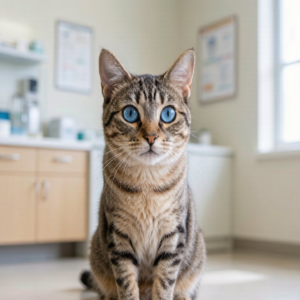
A cat's eye color is set by its genes, and breeds carrying the dominant white gene most often have blue eyes. Several popular breeds share this striking feature, from the silky Balinese and friendly Birman to the plush Himalayan and elegant Persian. The blue-eyed Siamese and its relatives, the Ragdoll and Snowshoe, are favorites for their vivid gaze and gentle nature. If you are drawn to blue eyes, learn each breed's temperament and needs before choosing the one that fits your home.
Which Cats Are Prone to Pancreatitis?
Any cat can develop pancreatitis, but some are clearly more vulnerable. Genetics play a role, with breeds like Persians, Siamese, and Maine Coons at higher risk. Obesity is another major factor, since overweight cats strain their pancreas far more than lean ones. Diet also matters: fatty foods, too many artificial additives, and table scraps all burden the pancreas and invite inflammation. Certain medications such as long-term aspirin, morphine, or tetracycline, and viruses like feline infectious peritonitis, can also trigger the disease. Prevention centers on strict weight control, high-quality food, and never dosing a cat without veterinary guidance. Watch for appetite loss, vomiting, or diarrhea and seek care early; diagnosis uses blood pancreatic lipase tests, ultrasound, or cytology, and treatment combines medication, diet management, and sometimes hospitalization.
Why Do Cats Get Folliculitis?
Feline folliculitis is a common skin condition that causes discomfort and distress for cats. It can be triggered by a mix of external factors, daily habits, and even genetics. Environmental issues such as bacteria, fungi, and parasites thrive in warm, humid conditions and raise the risk of infection. Over-grooming, scratching, and poor coat care can also damage the skin and lead to flare-ups, while long-haired breeds like Persians and Siamese are genetically more prone to it. The good news is that folliculitis is manageable. Treatment involves clipping the affected area, cleaning with saline, disinfecting with iodine, and applying an antibacterial ointment daily. Prevention relies on a balanced diet, regular grooming, a clean and dry living space, gentle bath products, and routine veterinary checkups. With the right care, owners can greatly reduce the likelihood of recurrence.

Why Does Your Cat Suddenly Dart Around the House?
When a cat suddenly tears around the house, pounces at empty air, or arches its back and puffs up, it is usually showing what veterinarians call Frenetic Random Activity Periods (FRAPS)—a normal behavior, especially in kittens and young cats. The triggers are mostly instinctual: a retained hunting drive, excess energy, stress, or heat in unspayed cats. Occasionally, frantic running signals a health problem such as hyperthyroidism, a neurological disorder, or a parasitic infection, particularly when paired with appetite loss, weight drop, or lethargy. Meeting the cat's exercise needs with toys and play, plus a calm, safe environment, keeps normal zoomies harmless and happy.