Search Results
130 results for “Ragdoll”
What is the difference between a Siamese cat and a Ragdoll cat?
The Siamese is a short-haired breed from Thailand of medium build, while the Ragdoll is a long-haired American breed that is large and heavy. Their temperaments differ too: Ragdolls are calm, Siamese are lively.
Will a Ragdoll cat feel lonely staying home alone?
A Ragdoll cat will not feel lonely staying home alone for a day or two, as they have settled into a fixed routine, sleeping most of the day with the rest spent eating, drinking, using the litter box, and occasionally playing. However, if left alone for long periods without company, they will grow bored and gradually feel lonely.
What Country Does the Ragdoll Cat Come From?
The Ragdoll originated in the United States, developed in California in 1960. Also called the Bradford cat, it is cute, beautiful, gentle, and quiet, and very popular. Its long coat needs regular brushing to avoid mats, and a pet conditioner helps during baths.
Can a Ragdoll cat sleep with its owner?
A Ragdoll can sleep with you, but only if it is dewormed, non-aggressive and free of zoonotic diseases and skin conditions such as toxoplasmosis and fungal infections. In short, make sure it is healthy and gentle. Ragdolls are very clingy; if you don't want it in bed, keep it in a cage or separate room - it will resist at first but adjust.
Ragdoll cat color breeding chart
Ragdolls come in six patterns: bicolor, mitted, colorpoint, van, high-mitted and mid-high bicolor. Breeding outcomes are predictable — e.g. colorpoint x colorpoint always yields colorpoint; colorpoint x mitted gives 50/50, and so on.
What kind of cat results from breeding a Ragdoll with an American Shorthair?
A cross between a Ragdoll and an American Shorthair has no specific name, usually called a mixed-breed or hybrid cat, blending both parents' traits. Such crosses are not recommended, since the size and looks differ so much that the kittens lose breed character, and crossbreeding can pass on genetic diseases and a more volatile temperament.

What to Know Before Keeping a Ragdoll Cat
Ragdolls are famous 'glass-stomach' cats that need careful diet and regular brushing, plus watch for inherited heart and kidney disease. Pick a high-protein, low-allergen food, brush three to five times a week, and keep up with vet checks to catch problems early.

Why Isn’t My Ragdoll Cat Getting Its Full Fluffy Coat?
Ragdolls usually start filling out their coat between 8 months and 1 year; if it stays thin well past that, genes, diet, or stress are likely at play. Feed a quality food with 35%+ protein from animal sources, add 2–3 weekly toppers (boiled chicken, salmon, egg yolk) and a monthly multivitamin, keep up parasite control, and give safe sun time to support growth.
When Do Ragdoll Cats Develop Cheek Jowls?
Ragdoll cats usually start developing cheek jowls at 6–8 months, though genetics set the exact timing and some begin earlier or later. Only males develop true jowls; it depends on inherited genes from the parents. Diet, exercise, and neutering also shape the result. To support healthy jowl development, feed plenty of protein, vitamins, and minerals, offer chewy or raw-meaty-bone snacks to build jaw muscles, keep the cat active, and time neutering until after the face fills out. Remember, not every Ragdoll will jowl—genes decide. If you have concerns, consult a veterinarian.
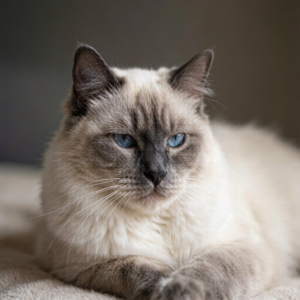
Why Is My Ragdoll Cat Breathing Heavily?
A Ragdoll that breathes noisily isn't automatically sick—it may simply have exercised hard or be reacting to heat. But if the heavy breathing persists, it can signal real problems: respiratory disease, obesity, heatstroke, infectious peritonitis, liver-related fluid buildup, or heart disease. Watch for other symptoms and see a vet if it continues. For overweight cats, weight control helps; in hot weather, keep them cool and hydrated to prevent heatstroke. This article covers the likely causes and the practical steps you can take at home.