Search Results
828 results for “Rabbit weight”

Which Medications Treat Guinea Pig Coccidia?
Diclazuril solution and toltrazuril are the main drugs used to treat and prevent guinea pig coccidiosis; they belong to the same drug class. Diclazuril works well but resists water and builds tolerance, while toltrazuril shares cross-resistance, so follow your vet's guidance on dosing.

Why Guinea Pigs Develop Malocclusion (Bad Bite)
Guinea pig malocclusion is common because their teeth grow continuously and need constant wear. Signs include trouble chewing or swallowing and reduced intake; diagnosis is by exam or imaging under anesthesia. Treatment is dental burring to restore the bite - extractions are nearly impossible. Feed high-fiber food and schedule checkups.
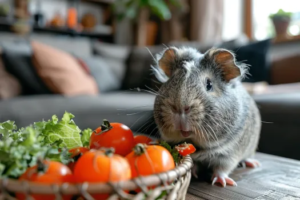
Guinea Pig Biological Traits and Characteristics
Guinea pigs are social, gentle prey animals that need dry, warm, clean housing and a high-fiber vegetarian diet. They are sensitive to smell, sound, and temperature; prone to pneumonia in poor air; and unusually sensitive to antibiotics such as penicillin. Their long pregnancy ends in fully developed pups that walk within an hour.
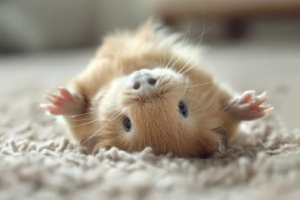
Common Guinea Pig Diseases and How to Prevent and Treat Them
Coccidiosis, colds, and diarrhea are among the most common health problems in guinea pigs, and owners should focus on preventing them. This guide outlines practical prevention and treatment measures for these frequent guinea pig illnesses, from medication and wound care to daily hygiene checks.

Himalayan、Colourpoint Persians
The Persian is a widely known and popular breed; from its early crossbreeding emerged the Himalayan cat. The Persian's early evolution likely occurred on the cold Persian Plateau (today's Iran and Iraq). When Phoenicians and Romans brought these silky-longhaired cats to Europe, Europeans fell for them. Over the years, the Persian's long coat was deliberately retained and emphasized in breeding.

Nebelung
The Nebelung is essentially a long-haired Russian Blue, a rare variant recognized by TICA in 1987 and hailed as the 'nobility of long-haired breeds.' Apart from its coat, it is identical to the Russian Blue. Quiet, shy, and gentle, yet intelligent and adaptable, it is well suited to calm households.
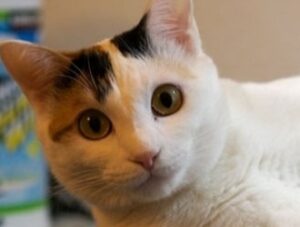
Japanese Bobtail
The Japanese Bobtail, also known as the Lucky Cat (Maneki-neko), is very popular in Japan. Cat lovers, upon hearing 'lucky,' want one. It is a native Japanese breed with a history tracing back centuries. Bred in the US after introduction, it is said an American cat lover in Japan found a cat with a short rabbit-like tail and brought several back after WWII; these are the ancestors. The Japanese Bobtail sits with one front paw raised, said to represent good fortune.

Singapura、Kucinta
The Singapura originates from Singapore and is also known as the Lion City Cat. With the English names Singapura and Kucinta, it is the smallest cat breed in the world, attracting much attention from cat lovers. Its less pleasant nicknames, drain cat and sewer cat, come from its living environment: early on, the Singapura was unwelcome among locals and forced to live in drains or sewers, hence the names.

Abyssinian
The Abyssinian, also called the rabbit cat, Ethiopian cat, or Abyssinian, has the English name Abyssinian and is now distributed around the world. People usually judge a cat's origin by its name, but the Abyssinian's origin seems somewhat distant from Abyssinia. Abyssinia is the old name for Ethiopia, yet many believe the Abyssinian comes from ancient Egypt.
My dog suddenly screamed and held up a leg unable to stand, but after resting could run and jump, and pressing the leg didn’t hurt. This happens 2-3 times a day-why?
Sudden leg-lifting that resolves after rest is likely a luxating patella, common in small dogs' hind legs, causing pain with limping, whimpering, and 'skip' gait. See a vet for DR/X-ray; grade 3-4 needs surgery.