Search Results
828 results for “Rabbit weight”

Brushing Your Rabbit’s Coat
Rabbits molt heavily every few months, so regular brushing prevents hairballs and keeps the coat healthy. Use a rabbit pin brush (or a damp towel for reluctant rabbits) and brush daily during shedding season.

Rabbit Bloat: Causes and Care
Rabbit bloat stems from slow gut motility due to low fiber or dehydration, and can progress to deadly gut stasis. Catch it early with high-fiber feeding and hairball paste, and see a vet if your rabbit stops eating or pooping.

What to Do When Your Rabbit Refuses to Return to Its Cage
Many owners struggle to get their rabbit back into its cage. The key is to teach the rabbit that the cage is its home and the only place food appears. This guide covers timed free-roam, food motivation, and checking the cage for discomforts that drive a rabbit to stay out.
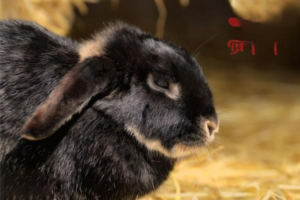
Lop-Eared Rabbits: Pros and How Much They Cost
Lop-eared rabbits are gentle, low-maintenance pets that suit first-time owners. This guide covers their calm temperament, lower upkeep costs, trainability, and styling versatility, plus typical pricing.

Common Dental Diseases in Rabbits
Rabbits' teeth grow continuously, so without enough wear they overgrow and cause malocclusion and caries — both of which can lead to painful facial abscesses. Feeding plenty of hay and regular vet checks are the best ways to prevent dental problems.

Infectious Stomatitis in Rabbits
Infectious stomatitis (also called 'salivation disease') is a contagious viral disease of rabbits, especially 1–3-month-old kits, often infecting a whole litter at once. It causes drooling, mouth blisters and ulcers, and can kill kits within a week without prompt treatment; isolation, topical antibiotics and good hygiene are key to control.
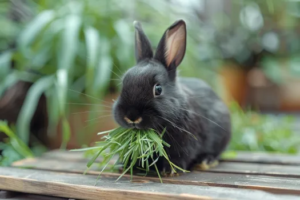
Causes and Symptoms of Stomatitis in Rabbits
Stomatitis in rabbits is an acute, highly contagious viral infection that mainly strikes 1–4-month-old kits and can be fatal within a week if untreated. It causes drooling, mouth blisters and ulcers, and loss of appetite, and is usually caught from contaminated feed or water entering through small mouth wounds.

How to Bond with a Newly Adopted Rabbit
Newly adopted rabbits are naturally timid and need time to adjust to you and their new home. Rushing contact can cause stress and shock. This guide explains how to earn your rabbit's trust gradually through patience, safe spaces, gentle handling, and positive reinforcement.

When Is the Best Time to Litter Train Your Rabbit?
Litter training a rabbit works best before sexual maturity—ideally before three months of age, while the rabbit is still receptive to learning. This guide covers the ideal timing and a step-by-step method to teach your rabbit to use a designated toilet area.

Symptoms of Rabbit Ear Inflammation and How to Treat It
Rabbit ear inflammation (otitis) causes head tilt, ear drooping, foul-smelling discharge, and balance problems, and can lead to deafness or even fatal meningitis if left untreated. Mild buildup can be managed at home with gentle ear cleaning and anti-inflammatory drops, but inflammation with discharge and odor requires prompt veterinary care.