Search Results
254 results for “Rabbit light”

What to Do When Your Rabbit Keeps Sneezing
Rabbits have sensitive noses, so frequent sneezing can signal anything from a mild allergy to a respiratory infection. Common triggers include pollen and dust allergies, poor diet, colds caught in damp or cold environments, and sinusitis. If your rabbit sneezes occasionally with no other signs, it is usually nothing to worry about. But if sneezing is frequent or paired with discharge, coughing, or red eyes, you should improve the living environment, adjust the diet, identify and remove allergens, and seek a veterinarian's advice. This guide walks through the likely causes and the practical steps you can take at home before a clinic visit becomes necessary.
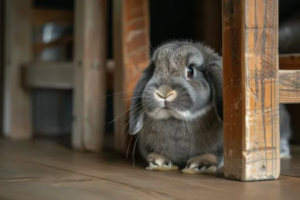
Is Your Rabbit’s Red Urine Always Blood?
Red urine in a rabbit is not always blood. Eating pigmented foods like carrot or beet can tint it light red or orange with normal behavior, and some medicines such as vitamin C or iron can do the same. True bleeding comes from a urinary infection or stones, giving a dark red or brown color along with straining, frequent urination, or low output, which needs a veterinarian. Prevent problems with a balanced diet, plenty of water, a clean cage, and regular checks of the urine.

How Many Kits Does a Rabbit Have Per Litter?
A rabbit can give birth to 3 to 12 kits per litter, with 6 to 8 being most common. But reproductive ability is shaped by many factors, including breed, age, health, and climate. Owners who plan to breed should learn the rabbit's reproductive traits and provide proper care, nutrition, and a suitable environment so the doe is in the best condition to raise a healthy litter.
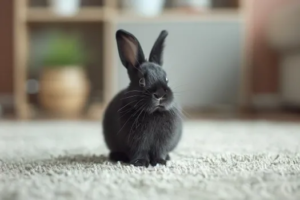
What to Do If Your Rabbit’s Fur Turns Yellow
Yellow fur in rabbits can signal poor nutrition, too little sunlight, skipped grooming, illness, or simply urine staining. Because the cause varies, judge by the situation. Feed a balanced diet of fresh grass, vegetables, and quality pellets; give a few hours of gentle outdoor sun (avoid midday heat); brush regularly with a soft comb and use a rabbit-safe shampoo only when needed; and keep the cage clean and dry so urine doesn't stain. If yellowing comes with other symptoms, see a vet for parasites or infection. With diet, light, grooming, and checkups, the coat can recover its healthy shine.

What to Do When a Rabbit Gets Hyper at Night
A rabbit that turns energetic at night can have many reasons: too little daytime activity, changes in the evening environment, or physical discomfort. To burn off energy, give it enough stimulation during the day. Also check diet and health regularly to rule out digestion trouble or pain, and offer a cozy hiding spot like a box to help it relax and sleep. If night excitement persists, too much noise or light may be the cause, so place the cage in a quieter area with fewer stimuli.
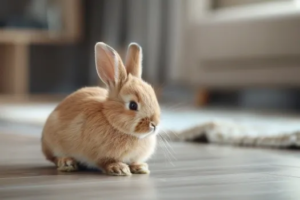
Do Rabbits Need to Hibernate?
Rabbits do not hibernate. As warm-blooded animals, they regulate their own body temperature and stay active through winter. That said, they still feel the cold despite their thick fur, so owners must provide warmth and shelter when temperatures drop. Moving the hutch indoors, sealing drafts, lining the cage, and adding soft bedding all help prevent chilling. Adjusting the diet with extra food and higher-calorie items supports their increased winter energy needs. This article explains why rabbits skip hibernation and how to keep them safe in cold weather.
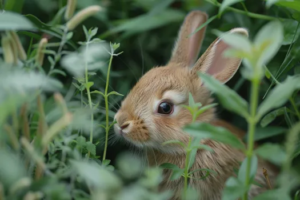
Why Does My Rabbit Keep Tearing Up?
Rabbits that constantly tear up may be reacting to simple irritants, eye infections, blocked tear ducts, dental disease, or even congenital eye conditions. Because persistent tearing can signal discomfort or an underlying problem, owners should keep the eye area clean, maintain a hygienic habitat, and ensure a balanced diet. If the tearing worsens or appears with redness, discharge, swelling, or loss of appetite, a veterinary exam is essential. This article covers the common causes and the practical home care steps you can take to keep your rabbit comfortable and healthy.

How to Care for a Netherland Dwarf Rabbit
Netherland Dwarf rabbits are active and need both proper housing and a sensible diet to stay healthy. Provide a cage of roughly 80×60×70 cm with soft bedding, safe toys, and chew sticks, and keep the environment at a stable temperature with low humidity, gentle light, and minimal noise. Feed mainly fresh hay (timothy, mixed, or alfalfa) for dental and digestive health, supplement with quality pellets, a little fruit and vegetables, and constant clean water—but control portions, since these rabbits gain weight easily. Build trust slowly through hand-feeding and gentle handling, and check coat, skin, eyes, ears, and teeth regularly.

Preventing and Treating Frostbite in Rabbits
Rabbits can be frostbitten or freeze to death in severe cold. Frostbite usually hits thin-skinned, low-fur areas at the body's extremities, and hairless breeds, hungry or tired rabbits, and young kits are most vulnerable. It is graded in three levels, from red, swollen skin to blisters and, at its worst, dead tissue and death. Prevent it with a warm, dry, well-bedded hut and sturdy animals; treat mild cases with oils or iodine, and severe cases with antibiotics and supportive care.
What If a Baby Rabbit Hates Being Held?
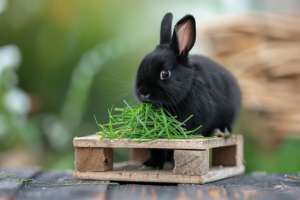
A rabbit that dislikes being picked up is acting on instinct: as prey animals they feel unsafe when lifted off the ground. Build trust slowly with sit-beside sessions, food rewards and gentle touches to the head, back and ears, watching for discomfort and stopping if the rabbit tenses. Keep its space quiet and secure, and if it truly refuses, never force it, since fright causes harmful stress.