Search Results
254 results for “Rabbit light”
What are the symptoms when a rabbit has internal heat?
Common symptoms of internal heat in rabbits include increased eye discharge, watery eyes, and a dry nose. If this occurs, adjust the diet by stopping heat-inducing foods such as nuts and keeping food light, while providing more water. If the rabbit shows red, swollen eyes with increased discharge, clean the eyes with saline solution and apply anti-inflammatory eye drops.
How do I tame a rabbit?
Build trust with time, food, water, and gentle ear or head strokes; reward good behavior, and correct bad behavior with a light spray or nose tap.
Can a one-month-old rabbit be kept outdoors in autumn and winter? North, currently 11-23 C
Do not keep a young rabbit outdoors in autumn and winter; rabbits tolerate cold poorly and kits have weak immunity, easily catching colds or worse in low temperatures. The right temperature is 15-25 C, kits 20-25 C, so keep them indoors warm and sheltered, with brief sunny outdoor time for health.
Is a Rabbit a Nocturnal Animal?
Rabbits are nocturnal, active at dawn and dusk with eyes that gather light. Side-set eyes give a wide field of view to spot surroundings in low light.
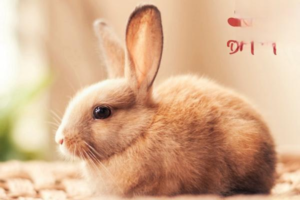
Why Is Your Rabbit’s Urine Cloudy with Calcium?
Rabbit urine calcium shows as milky, yellow, or sediment-like urine that leaves a white residue when dry—usually from too much dietary calcium. Baby rabbits on alfalfa are fine, but adults need timothy and low-calcium food, plenty of water, and daily sunlight. This article explains the causes and fixes.
What Color Are a White Rabbit’s Eyes?
White rabbits' eyes are mostly red, but actually transparent - the red is blood color reflected. Eye color matches coat color (gray rabbit = gray eyes). White rabbits have little pigment, no retinal pigment, so eyes are transparent; blood vessels reflect light - red.
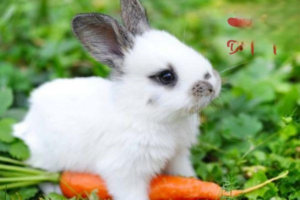
Common Diseases That Affect Rabbits
Rabbits are fragile and prone to a few serious diseases: rabbit viral hemorrhagic disease (near-100% fatal, often sudden death), pasteurellosis (fever, runny nose), coccidiosis (gut/liver parasite, high death rate), and colibacillosis (E. coli, fatal diarrhea). This article summarizes each and urges early care.
What Medicine Should I Give a Rabbit With Internal Heat?
A rabbit with internal heat does not necessarily need medicine - adjusting its diet to be light and providing more water is enough. Stop feeding heat-inducing foods like nuts, and give more water, grass, fruit, and vegetables; it will recover. If eye redness or discharge occurs, clean with saline and apply eye drops.
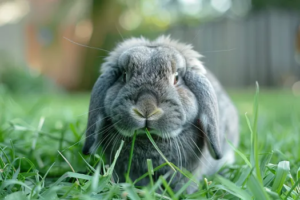
What to Do When Your Rabbit’s Teeth Are Too Long
Rabbit teeth never stop growing, so overgrowth is common and harmful. Check for sharp points, yellowing, or nose and eye discharge, then have a vet trim them and offer timothy hay and chew sticks at home.
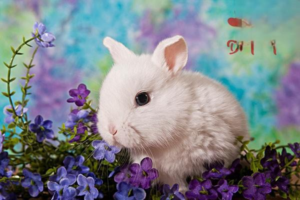
Rabbit Sore Hock: Symptoms and Treatment
Sore hock (pododermatritis) is common in rabbits — high-rate and harmful though not instantly fatal. It starts as bald, swollen, shedding foot skin, then abscesses and bleeding ulcers that spread. Cause is rough cage floors plus urine soak; treat by trimming, disinfecting, and padding, and prevent with clean, smooth cages.