Search Results
74 results for “Rabbit habits”
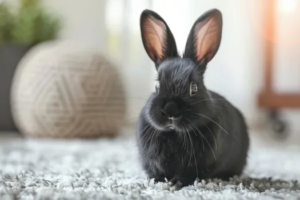
Rabbit Constipation: Causes and How to Prevent It
Rabbit constipation, common in young and old rabbits, comes from dry hardened gut contents due to poor feeding, too much concentrate, low water, or too little exercise, and can block the gut. Signs are poor appetite, hard small stools, then no stool with a painful belly and palpable hard masses. Prevent with balanced feed and water plus exercise; treat early with greens and, for severe cases, sodium sulfate or salt laxatives.

Do Rabbits Get Angry? Signs and Causes
Rabbits do get angry - they growl, honk, and thump, or give the silent treatment by ignoring you. Common triggers are hunger, lack of attention, and a proud streak. Comfort with a head rub or treat, or let a stubborn one cool off alone.
What Affects a Rabbit’s Lifespan?
A rabbit's life is shaped by its own traits, diet, and environment. Feed hay-based balanced food (not just vegetables or sweets), keep the cage clean, dry, and quiet between 15–25°C, house it indoors, avoid over-bathing and neglect, and don't breed females repeatedly — all of which shorten life.

Chinchilla Behavior and Diet: Habits and Feeding Guide
Chinchillas are hardy, heat-sensitive rodents from the Andes that need a cool environment (8–22°C) and a hay-based diet. Feed mostly timothy and alfalfa hay to wear down continuously growing teeth, add a little pelleted food and fresh water, and limit sugary snacks.

Is It Okay to Keep a Rabbit Caged All the Time?
Keeping a rabbit in a cage permanently is not recommended. Rabbits are active animals that love to run and jump, and constant confinement limits their natural behavior. Long-term caging can lead to weakened physique, bone deformity, and muscle loss, while the lack of social contact may cause loneliness and stress. To keep a rabbit healthy and happy, provide a roomy enclosure with good ventilation and light, plus a safe exercise area where it can move freely each day. Add comfortable bedding, fresh water, and chew toys, and clean the cage regularly to prevent dampness and disease. In short, rabbits need space and daily out-of-cage time to thrive.

Why Can’t Rabbits Be Bathed?
Rabbits shouldn't be bathed: their skin is only 2–3 mm thick and very sensitive, so water can scald and shampoos irritate it, while frequent washing strips protective oils and lowers skin immunity. They self-groom with barbed tongues, prefer dry air, have fragile airways that catch colds, and fear water—so bathing stresses them. Respect their biology and keep their space clean instead.

Are Polish Rabbits Easy to Care For?
Polish rabbits are gentle, adaptable, and relatively low-maintenance. They need quality hay, fresh vegetables, a warm and dry enclosure with room to move, and regular cleaning to stay healthy.
How much feed should a rabbit get per day?
An adult rabbit eats about 400-500g of feed daily, 3-5% of body weight, in small frequent meals. Baby rabbits need about 4 feedings (every 6 hours); adults 2. Feed on a fixed schedule, and offer small amounts of washed, dried veggies and fruit like celery, carrot, and apple.

How to Stop Rabbits from Fighting
Rabbits fight over territory, food, mating rights, or personality clashes. Reduce conflict with enough space and hiding spots, separate food stations, and sensible grouping by sex and temperament.

What Kind of Rabbit Water Bottle Is Best?
Three common rabbit bottles—ball-valve, push-pin, and fountain—each trade ease of drinking against leaking, noise, and hygiene. Ball types suit most rabbits but drip and click; push-pin types are quiet and leak-free but some rabbits never learn them; fountain types protect the neck but trap debris. Pick by your rabbit's habit and your cage setup.