Search Results
74 results for “Rabbit habits”

What Are a Pet Rabbit’s Habits?
Pet rabbits are clean and dryness-loving, timid and noise-shy (a fright can stall a doe's labour), cold-hardy but heat-sensitive (adults like 15–25°C, kits 30–32°C), nocturnal feeders (up to 75% of food at night), keen burrowers, and same-sex squabblers — so give them a dry, quiet, cool, burrow-friendly home and nightly meals.

What Are a Rabbit’s Living Habits and Traits
Rabbits are timid, nocturnal, dry-loving, solitary chewers that eat only plants. They rest by day and eat 70%+ of their food at night, cool mainly by breathing so they need dry 14–20°C housing, fight if caged together, gnaw constantly to wear down open-rooted incisors, and must never be fed meat. A common myth is that they need no water — they do, in moderation.

Rabbit Feeding Habits and Eating Behavior
Rabbits are single-stomach herbivores that prefer plants, pellets and a little vegetable oil or sweet feed, with animal feed kept under 5%. They practice coprophagy — eating nutrient-rich soft cecotropes at night — and eat mostly after dusk, so sudden feed changes cause refusal and gut upset. Introduce any new feed, including animal protein during pregnancy or lactation, gradually.
Rabbit living habits
Rabbits prefer to eat at night and spend most of the day resting with their eyes closed, looking listless, so provide ample food and water at night. They are timid with keen hearing and startle easily at sudden noises. Importantly, rabbits are solitary animals and should each be housed in a separate cage.
What are a rabbit’s living habits?
Rabbits are nocturnal - more active and hungry at night, resting by day. They are solitary (one per cage) and prefer dry, ventilated, cool environments; avoid heat and humidity.
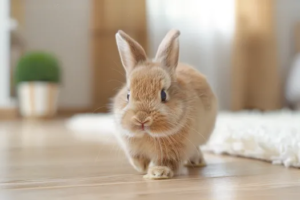
Appearance and Traits of the Giant Chinchilla Rabbit
The Giant Chinchilla is a massive, muscled rabbit — 6 to 15 kg, with a dense glossy coat in solid, tan, or dark-gray — yet it's gentle, timid, and lazy, eating modestly and sleeping long after meals. Large breeds outlive small ones, making it a calm, long-lived companion suited to older owners. Care centers on RHD vaccination at 30–45 days, four daily pellet feedings, no greens before weaning, and an alfalfa-based pellet mix.
The Benefits of Keeping a Pet Rabbit
Pet rabbits — dwarves, lops, Dutch and more, under 2.5 kg, living 7–10 years — are gentle, nearly odorless, quiet, and smart enough to learn their name and litter habits, making calm nocturnal companions. Keep them in a half-meter cage in an open spot, and feed mainly hay plus quality pellets (no fresh food under 2 months; hay as the adult staple). Bonding takes effort, but the reward is years of quiet company.

The Pros and Cons of Neutering a Male Rabbit
Neutering a buck mainly corrects heat-driven behavior — aggression, spraying, foot-circling, and loss of litter habits — and prevents testicular disease and unwanted litters. The trade-offs are anesthetic risk (higher in rabbits, especially older ones) and a tendency to gain weight, managed with portion control and exercise. For most owners the benefits outweigh the drawbacks.

How to Balance a Rabbit’s Feed Mix
To cut feed cost yet meet needs, combine cheap, equally nutritious feeds. Greens are cheap and palatable but low in nutrients; roughage is cheap but high in fiber and unpalatable alone; concentrates are rich but pricey and low in fiber. The best balance is compound feed plus greens, greens-led.
Common Mistakes in Feeding Rex Rabbits
Common rex-rabbit feeding mistakes include all-concentrate diets, whole grains instead of pellets, blanket antibiotic use, freezing vaccines, and unsafe mite treatment with soap plus trichlorfon. Each disrupts gut flora or destroys vaccine potency and can sicken or kill rabbits.