Search Results
105 results for “Physical cooling”
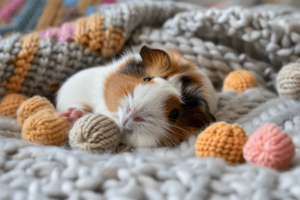
Essential Hamster Care: What Every Owner Should Know
Keeping a hamster healthy and extending its lifespan depends above all on proper husbandry. Before bringing a hamster home, owners should prepare a spacious cage with suitable bedding, a food bowl, a water bottle, and an exercise wheel, then keep the enclosure clean and disinfected on a regular schedule. A balanced diet built around a high-quality hamster mix, supplemented with small amounts of fruit and vegetables, and constant access to fresh, safe drinking water are equally important. This guide covers the fundamentals of scientific hamster care: building a comfortable habitat, providing nutritious food and clean water, maintaining a tidy living space, encouraging daily exercise, reducing stress, and managing temperature through the seasons. With the right setup and routine, even first-time owners can help their pet thrive.

Why Is My Dog So Sleepy in Summer?
Many dogs seem lazier and sleep far more once summer arrives. In most cases this is a normal response to heat—dogs cool themselves mainly by panting and through their paw pads, so they naturally slow down to avoid overheating. However, persistent lethargy paired with panting, a rising temperature, or appetite loss can signal heatstroke or illness. Keep your dog cool, hydrated, and walk them during cooler hours to stay safe.

How to Repel Mosquitoes in Summer With Pets at Home
Pyrethroids are common in human mosquito products because they work and are cheap, but cats cannot metabolize them and long-term use can damage the brain and cause organ failure, even death. DEET is far less toxic to cats and the EPA rates it nearly non-toxic to mammals, though keep it away from cats in quantity. Safer still are physical methods: screens, nets, mosquito swatters, and pet-safe repellent lamps used when no one is home.

Shusui Koi
The Shusui koi is an asagi-type koi of the German carp line, which is why many confuse it with the asagi. By color layout it splits into three kinds: flower Shusui, yellow Shusui, and red Shusui.

Jerdon’s Tree Frog
Jerdon's Tree Frog (Hyla annectans), also called the West Chinese rain frog, is a small, brightly colored tree frog. Its back is green with purple-gray and golden head stripes; males reach about 36 mm, females 41 mm. Common in farmland, it eats many pests.

Pritchard’s Turtle
Pritchard's turtle (Mauremys pritchardi) is a Geoemydidae turtle found in China and Japan. Its looks blend the Chinese pond turtle and the yellow pond turtle, and some researchers believe it is a natural hybrid — though that is not officially recognised.

Malayan Horned Frog
The Malayan horned frog (Megophrys nasuta), also called the triangular leaf frog, is a master of leaf-litter mimicry from the Malay Peninsula and Sumatra. A large, nocturnal amphibian with a huge appetite.
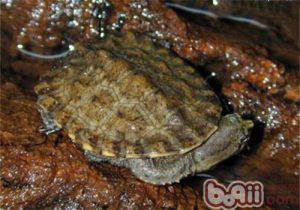
South American Snake-necked Turtle
The South American Snake-necked Turtle (Hydromedusa tectifera), also called the Argentine snake-necked turtle, is a popular but challenging species with a long smooth neck and rock-like shell. It is prone to shell rot and demands cool, slightly acidic water and careful husbandry.

Leiocephalus personatus
The Masked Curlytail Lizard (Leiocephalus personatus) is a small, active, territorial lizard from the West Indies, famous for curling its tail like a spring when excited. A hardy basking lover that does well in groups of one male with several females, it eats almost any non-toxic insect.
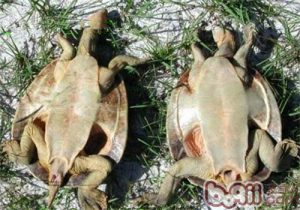
Fitzroy River Turtle
The Fitzroy River Turtle (Rheodytes leukops) is an Australian river turtle famous for 'breathing through its bottom'—it draws oxygen via cloacal sacs, letting it stay submerged far longer than most turtles. A bottom-dweller of flowing, gravelly waters, it is sensitive to poor water quality and warm temperatures.