Search Results
504 results for “Overfeeding”
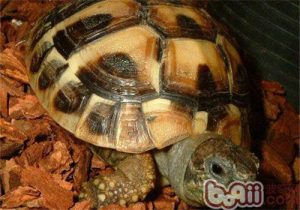
Western Hermann’s Tortoise
The Western Hermann's Tortoise (Testudo hermanni) is a common, beginner-friendly tortoise with undemanding environmental needs and good disease resistance, though it carries a relatively high price. Native to Spain and southern France, it is a Mediterranean-species herbivore that also occasionally takes animal prey.
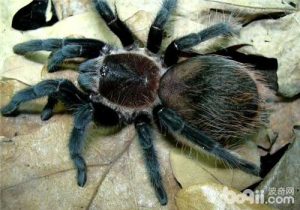
Brachypelma angustum
The Costa Rican redtail (Brachypelma angustum) is native to the rainforests of Costa Rica — also known as the Guatemala redtail spider. In both size and habitat it is very similar to the classic Mexican redleg. Adults reach a leg span of 15–16 cm.

Mud and Musk Turtles (Egg Turtles)
The 'egg turtle' is not a single species but the common nickname for the family Kinosternidae — mud turtles and musk turtles — named for their smooth, egg-shaped carapace. Mostly North American, they are popular, interactive pets, but each species differs in size, care difficulty and husbandry, so research the exact species before buying.

Obesity in Dogs and Cats
Obesity is an excess of body fat that develops when energy intake consistently exceeds expenditure. It is common in pets fed too much, exercised too little, or affected by endocrine disease, and it predisposes to heart disease, diabetes and a shorter life.

Canine and Feline Insulin Deficiency (Diabetes Mellitus)
Diabetes mellitus develops when the pancreas cannot make enough insulin, so blood sugar stays high. It causes increased thirst and urination, weight loss, and poor appetite, and is managed with insulin therapy plus dietary and weight control.

Cervical Spondylomyelopathy (Wobbler Syndrome) in Dogs and Cats
Cervical spondylomyelopathy, also called Wobbler syndrome, is a progressive compression of the cervical spinal cord that causes weakening and incoordination of all four limbs. It is most often seen in young Great Danes and middle-aged to older Dobermans, and both conservative and surgical care may be needed.

False Pregnancy in Dogs and Cats
False pregnancy is a hormone-driven syndrome in which an unbred female shows pregnancy-like signs such as nesting, lactation, and behavior change. Mild cases resolve on their own, but pyometra must be ruled out; hormone therapy or spaying helps recurring cases.
My 9-month-old unneutered Border Collie has had diarrhea for two days with no blood and is otherwise normal – what could it be and what medicine should I use?
A young dog has plain diarrhea with good appetite and energy. The answer covers diet, probiotics, and when to see a vet.
What Happens If a Golden Retriever Puppy Eats Oil?
A little oil is usually fine, but lots of it burdens digestion, causes vomiting or diarrhea, and raises pancreatitis risk from excess fat. Keep your puppy's diet balanced.
What happens if a cat eats calcium carbonate?
Cats can have a little calcium carbonate, but too much causes bloating and constipation. Here is the safe way.