Search Results
106 results for “Nasolacrimal duct”
Thinking About Getting an Exotic Shorthair (Garfield Cat)? Read This First
The Exotic Shorthair is a gentle, quiet breed, but it comes with real health trade-offs: tear-stained eyes from narrow tear ducts, brachycephalic breathing trouble, a sensitive 'glass' stomach, and genetic risks like polycystic kidney disease. Make sure you have the time, energy, and budget before bringing one home.
Why does my dog keep tearing up / have watery eyes?
Constant tearing can be caused by ingrown eyelashes, foreign objects, blocked tear ducts, internal heat, or eye infections. Clean out debris with saline, trim irritating fur, and see a vet if infection or a blocked duct is suspected.
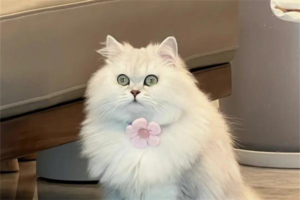
Why Is the Persian Cat Called the ‘King of Cats’?
The Persian earns its 'king of cats' title from striking looks and a noble, calm demeanor—round face, big jewel-like eyes, long flowing coat, and a regal stillness. But its flat face weeps easily, so daily eye cleaning prevents tear stains. Brush the long coat often and keep it in a quiet, gentle home.
Thinking of Getting a Pomeranian? Read This First
Pomeranians are smart and quick to learn, but naturally alert and barky, so they need early socialization; they also bond intensely and can develop separation anxiety without alone-time training. Common issues include tear stains, heart disease, patella luxation, and skin problems — watch health closely and keep vaccines and deworming on schedule.
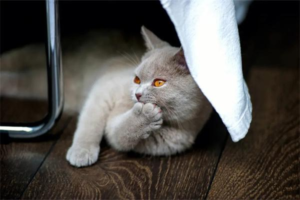
Do Cats Cry?
Cats do produce tears, but tearing is rarely from sadness—most often it's flat-face anatomy, eye disease, food, irritants, or smells. True emotional crying is rare. Wipe the eyes clean, rule out irritants or illness, and see a vet if tearing persists.

Can Cat Flu Leave Lasting Effects After Recovery?
Feline rhinotracheitis (cat flu), caused by feline herpesvirus FHV-1, cannot be cured—the virus hides for life in the trigeminal ganglion and can reactivate whenever the cat is stressed, the season changes, or immunity dips. Most cats recover and live normally, but some are left with mild, manageable effects: a sensitive nose that drips in cold or dusty air, heavier tear staining from narrowed tear ducts, or—in high-risk cases—repeated flare-ups that can progress to chronic bronchitis or pneumonia. Good care (warm stable surroundings, humidity control, stress avoidance, balanced nutrition with lysine and vitamins, and regular vaccines) keeps recurrence rare. This article explains the sequelae, why only some cats get them, and how to minimize repeat episodes.

What Causes Cat Dacryocystitis (and How It’s Treated)
Cat dacryocystitis (inflammation of the tear ducts/sac) can stem from genetics, facial structure, environment, or eye disease. Flat-faced breeds like Persians and Exotic Shorthairs are prone to blocked ducts. Keep the eyes clean and the environment dust-free to prevent it. Treatment targets the cause: gentle cleaning and vet-guided drops (antibiotics, anti-inflammatories, lubricants), surgery for severe cases to clear the sac, and a clean, humidified home to ease symptoms.

Bichon Frise: Pros and Cons to Consider Before Adopting
The Bichon Frise is a small, fluffy, friendly companion that rarely sheds and suits apartments and families. But it is not the easiest breed to live with: tear stains are almost inevitable, its curly coat needs constant grooming, it is prone to separation anxiety, and its delicate constitution means sensitive digestion and frequent dental issues. Weigh these pros and cons before bringing one home.
Why does my cat always tear up and have eye discharge?
Causes include heat, blocked tear ducts or liver disease; flat-faced breeds like Persians are prone. Clean the face with cat eye solution and switch to a lower-salt diet if diet-related.

Why Your Dog Has Tear Staining and Eye Discharge
A healthy dog's eyes are bright with little or no tearing or crust. When discharge increases, it is time to check the eyes, and a careful owner may reach for eye drops. The causes run from simple irritation to structural and whole-body disease, so the pattern of the discharge matters.