Search Results
106 results for “Nasolacrimal duct”
One of my cat’s eyes has a white film, the other won’t open, often tears, and the fur at the corner is gone, leaving a black layer.
The white film at one eye corner is the nictitating membrane (third eyelid), normal unless prolapsed or inflamed. The other eye's tearing has causes: 1) high oil/salt/fat diet causing heat and discharge; 2) congenital blocked nasolacrimal duct - surgery possible but recurs; 3) viral disease; 4) foreign-body irritation.
Why do kittens have tear stains?
Many causes lead to kitten tear stains. Oily, dry, salty food causes "heat" with severe stains, bad breath, and soft stool. Cat flu or respiratory disease can cause conjunctivitis with red, discharging eyes. Blocked nasolacrimal ducts or fur irritating the conjunctiva also cause tearing. If no other symptoms, use cleansing eye drops, more water, and light diet; if red eyes or breathing/appetite issues, see a vet.
How to deal with tear stains on a Bichon Frise?
Tear stains are common in Bichons. If mild, wipe clean daily with warm water, choose a light, low-oil, low-salt dog food, and avoid table scraps. For severe stains, use cleansing eye drops daily and trim the hair around the eyes to avoid irritation. Some dogs have blocked nasolacrimal ducts; massaging the area from below the eyelid to the nasal bone a few times a week can help, but don't press too hard.
Why do cats tear up (watery eyes)?
Watery eyes can stem from a congenital blocked nasolacrimal duct, irritation by smells or dust, or entropion/ingrown eyelashes. Persistent tearing from the latter needs veterinary treatment.
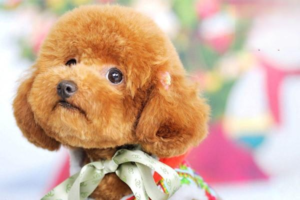
Why Dogs Get Tear Stains and Dirty Fur Around the Eyes
Dog eyes connect to the nose, so when the nasolacrimal duct is blocked or swollen by inflammation, tears cannot drain or evaporate and spill out. Tear stains form when tears and other eye discharge sit uncleaned on the fur and oxidize into dark marks - most visible on light-colored coats. Causes split into innate (flat-faced breeds like Pugs, Bulldogs, Exotic and Persian cats have tight ducts), disease (ear infection, entropion, dacryoadenitis, conjunctivitis), and habits (salty food, overlong fur poking the eye). Clean gently with a boric-acid cotton ball or cool water from the inner corner outward, then apply eye drops; genetic stains need patient, regular care.
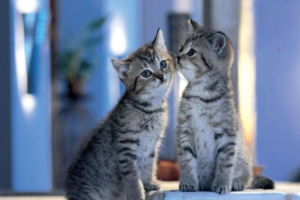
Dealing with Cat Tear Stains
Tear overflow (epiphora) happens when tears overproduce or the nasolacrimal duct blocks, spilling onto the fur. The reddish-brown stain comes from porphyrin—an iron waste in tears that oxidizes in air and sunlight. Common causes: too much salt (human food, salty kibble), 'heat', ear infections that stimulate tearing, duct blockage, entropion (inward lashes), dacryoadenitis, and feline herpes (tears plus nasal discharge—watch unvaccinated cats). Genetics play a role too. Cut salty food and see a vet to find the true cause.
What medicine helps dog tear stains heal faster?
Dog tear stains can stem from a blocked nasolacrimal duct, conjunctivitis or keratitis, and the right treatment depends on the underlying cause. Massaging the tear ducts and using pet eye-care gel help; for inflammation, vet-approved antibiotic eye drops or ointment are used.
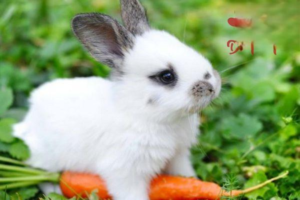
Are Red, Swollen Rabbit Eyes a Sign of Illness?
Red, swollen rabbit eyes usually trace to the eye itself or the teeth. Grass can scratch the cornea (use a pet anti-inflammatory drop and feed from a rack), or skin bacteria/fungi spread to the eye; dental disease — overgrown molars pressing the tear duct or eyeball — is another common cause and may need a dental X-ray and even surgery. See a vet to pin down the cause rather than guessing.

Why Do Dogs Tear Up So Much?
Frequent tearing and stains in dogs come from many causes, hereditary overproduction, entropion, diet, inflamed tear glands, ear infections, or short-nosed breeds. Most are manageable once the underlying cause is found, so watch your dog closely and see a vet when home care is not enough.
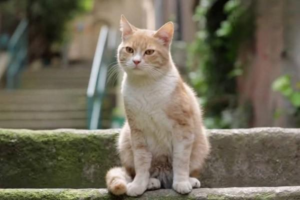
How to Get Rid of Cat Tear Stains
Tear stains spring from diet, eye irritation, herpesvirus, or flat-faced breed anatomy, and the fix starts with better food, filtered water, and non-plastic bowls plus daily warm wiping. For non-infected stains, a dab of medical petrolatum lets tears evaporate before they mark the fur; for infected or inflamed eyes, use a pet antiseptic eye drop first, then the petrolatum.