Search Results
1086 results for “Mat prevention”

What Causes Cat Dacryocystitis (and How It’s Treated)
Cat dacryocystitis (inflammation of the tear ducts/sac) can stem from genetics, facial structure, environment, or eye disease. Flat-faced breeds like Persians and Exotic Shorthairs are prone to blocked ducts. Keep the eyes clean and the environment dust-free to prevent it. Treatment targets the cause: gentle cleaning and vet-guided drops (antibiotics, anti-inflammatories, lubricants), surgery for severe cases to clear the sac, and a clean, humidified home to ease symptoms.

Why Is Your Cat Vomiting White Foam?
White foam vomiting in cats has many causes—food intolerance, digestive upset, hairballs, and gastrointestinal disease among them. Take it seriously and find the trigger. Prevention includes regular brushing, avoiding spoiled or hard-to-digest food, and routine deworming. If it's food-related, pause feeding then switch foods; for digestion, offer easily digestible food; for hairballs, give hairball remedies and brush often; if a health problem is behind it, see a vet rather than dosing blindly.

Why Do Koi Get Enteritis?
Koi enteritis has many triggers: poor water quality, temperatures that are too high or low, malnutrition, dirty food, and viral or parasitic infection. Good pond management is the first line of defense—keep water clean and the temperature stable, feed a varied, hygienic diet, and test the water and control disease regularly. If a koi does develop enteritis, act fast: fix the water, use antibiotics or anti-inflammatory drugs as a vet advises, and adjust the diet to support recovery.

Which Cats Are Prone to Pancreatitis?
Any cat can develop pancreatitis, but some are clearly more vulnerable. Genetics play a role, with breeds like Persians, Siamese, and Maine Coons at higher risk. Obesity is another major factor, since overweight cats strain their pancreas far more than lean ones. Diet also matters: fatty foods, too many artificial additives, and table scraps all burden the pancreas and invite inflammation. Certain medications such as long-term aspirin, morphine, or tetracycline, and viruses like feline infectious peritonitis, can also trigger the disease. Prevention centers on strict weight control, high-quality food, and never dosing a cat without veterinary guidance. Watch for appetite loss, vomiting, or diarrhea and seek care early; diagnosis uses blood pancreatic lipase tests, ultrasound, or cytology, and treatment combines medication, diet management, and sometimes hospitalization.
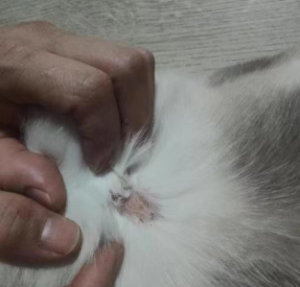
A Cat Ringworm Case: Diagnosis and Treatment
A 5-month Ragdoll with an oval bald patch, scales, and mild crusting on the neck turned out to be ringworm—confirmed by a Wood's lamp and typical signs. Treated with fur-clipping, cleaning, an antifungal spray and ointment, vitamin B, and an E-collar, he improved within a week. The case shows why vet confirmation and full-course treatment matter.

What Causes Periodontitis in Dogs?
Periodontitis is a common and painful dental disease in dogs, driven by a mix of physical, fungal, bacterial, and metabolic factors. Physical causes include chewing on fish bones, wire, or other sharp objects that injure the mouth, while fungal infections such as Candida or Blastomyces and bacterial overgrowth can trigger necrotizing ulcerative gingivitis. Metabolic problems like diabetes, kidney disease, dehydration, and hypothyroidism also raise the risk. Affected dogs show bad breath, drooling, swollen or receding gums, loose teeth, and sometimes pus. Diagnosis combines an oral exam with dental X-rays, and treatment requires professional cleaning or extraction under anesthesia plus ongoing home dental care.

Causes and Treatment of Abdominal Breathing in Cats
Abdominal breathing in cats is often a symptom of an underlying disease—pleural effusion, a congenital diaphragmatic hernia, or feline infectious peritonitis (FIP) among them—so it always warrants attention and a prompt trip to the vet. A healthy cat breathes 20–40 times per minute; obvious difficulty, rapid or shallow breaths mean seek care immediately. Beyond treating the root cause, prevention matters most: keep up with vaccinations, schedule regular check-ups, and maintain a clean, well-ventilated, smoke-free environment to protect your cat's respiratory health.

Why Do Cats Get Folliculitis?
Feline folliculitis is a common skin condition that causes discomfort and distress for cats. It can be triggered by a mix of external factors, daily habits, and even genetics. Environmental issues such as bacteria, fungi, and parasites thrive in warm, humid conditions and raise the risk of infection. Over-grooming, scratching, and poor coat care can also damage the skin and lead to flare-ups, while long-haired breeds like Persians and Siamese are genetically more prone to it. The good news is that folliculitis is manageable. Treatment involves clipping the affected area, cleaning with saline, disinfecting with iodine, and applying an antibacterial ointment daily. Prevention relies on a balanced diet, regular grooming, a clean and dry living space, gentle bath products, and routine veterinary checkups. With the right care, owners can greatly reduce the likelihood of recurrence.

How to Prevent Seizures After a Puppy Recovers from Distemper
Seizures can appear even after a distemper test turns negative because the virus is neurotropic—central-nervous-system damage and lingering inflammation may already be set. Prevention rests on three pillars: ease neuroinflammation, protect and repair nerve tissue, and avoid triggers. Nerve-support supplements (B vitamins, fish oil, citicoline, mecobalamin) help, and high-risk puppies may need low-dose long-term anti-seizure medication under a vet's supervision. Keep the environment calm and warm, skip baths during recovery, and feed highly digestible food with vitamin E, selenium, and lecithin. Learn the early warnings—repeated nodding, limb tremors, circling—so you can act before a full seizure.

What Causes Cat Sinusitis (and How to Prevent It)
Feline sinusitis is inflammation of the nasal passages and sinuses, usually from bacterial, viral, or fungal infection, and sometimes as a complication of dental disease or upper respiratory infection. Young and old cats are most at risk. Prevention means a clean, well-ventilated home; regular dental checks; a balanced, immunity-boosting diet; avoiding sick animals; and routine vet visits. See a vet if your cat sneezes often, has constant nasal discharge, seems congested, or loses appetite.