Search Results
1086 results for “Mat prevention”

Why Your Cat Has a Pimple or Abscess on the Chin
A lump or pus-filled bump on a cat's chin can come from parasites, bacterial infection, heat, folliculitis, a salivary-gland cyst, or an insect sting or small wound. Figuring out the exact cause guides the right treatment. Bacterial bumps are usually drained and then cleaned and disinfected, while parasitic and bacterial causes are best prevented with regular deworming and good dental care. Keeping your cat's diet light and its mouth clean lowers the risk. See a veterinarian if the swelling is large, soft, or shows signs of a cyst or allergic reaction.

Causes and Treatment of Gastric Torsion in Dogs
Gastric torsion, or bloat, is a dangerous emergency seen most in large breeds like German Shepherds and Great Danes, though any dog can be at risk, and it can be fatal without fast treatment. It often starts with overeating or eating too fast, which inflates the stomach; if the dog then exercises vigorously, the full stomach can twist. Swallowing excess air while eating and factors like age, genetics, odd gut anatomy, and changes in abdominal pressure also contribute. Watch for vomiting, a swollen belly, trouble eating, and a hunched back, and rush to a vet at once; keep the dog calm while you get help. Treatment is usually surgery to untwist the stomach and repair the wall, which is stable and rarely recurs, with medication, fluids, and shock care for milder cases. Prevention matters most: feed several small meals instead of one large one, use a slow feeder for fast eaters, and avoid hard exercise right after eating.

Can Cat AIDS Be Transmitted to Humans?
Feline AIDS is caused by the feline immunodeficiency virus (FIV), which, like HIV in people, damages a cat's immune system. The reassuring answer is that cat AIDS does not spread to humans; there is no solid evidence of FIV passing between people. Still, the virus is highly contagious among cats, so protect your own cat by keeping it healthy with regular checkups, good hygiene for bowls, and avoiding contact with stray or wild cats. An infected cat carries a high viral load in its saliva and can pass FIV through bites or mutual grooming, and a mother can pass it to her kittens. Among cats, isolate any FIV-positive cat, have it neutered, and limit contact with other pets; test new cats before bringing them home and vaccinate after two months. FIV cannot be cured and is managed supportively, often with no treatment if the cat shows no symptoms beyond indoor isolation, checkups, and quality food, while symptomatic cats get targeted care such as antibiotics, steroids, antivirals, or interferon. With isolation and good care, an FIV cat can live long.
Does Your Dog Really Need Monthly Deworming? (Avoid One-Size-Fits-All)
Deworming frequency should follow the dog's age, health, and lifestyle, not a rigid monthly rule—dewormers are broken down by the liver and kidneys, and overuse burdens the body. Puppies start at 45 days and go monthly until 6 months; after that, internal deworming drops to every 3 months while external stays monthly. The schedule is flexible: a mostly-indoor dog in the cold season, when fleas and ticks breed less, can be treated less often, and a sick, pregnant, or senior dog may need a pause or lower frequency. Match the plan to real risk.

What Are the Signs That a Dog Is Sick?
Dogs cannot tell us in words when they feel unwell, so owners must read the signals their bodies send. A sick dog may show a sudden drop in appetite, much less energy, or unusual tiredness after light play. Vomiting and diarrhea often point to digestive trouble, parasites, or infection, while heavy shedding beyond the normal amount can signal skin allergies, pests, or nutritional or hormonal problems. A temperature above 39.5°C, rapid or labored breathing, and a fast heartbeat suggest fever, respiratory or heart issues that need prompt care. Pain and discomfort can also change a dog's mood, making it withdrawn, anxious, or snappy. If you notice any of these signs, see a vet for diagnosis and a treatment plan. Prevention helps too: keep up with deworming and vaccines, feed balanced clean food, keep the home dry and sanitary, and add warmth during seasonal changes.

Why Is My Dog’s Tooth Loose?
A loose tooth in a dog can be perfectly normal or a sign of trouble. Puppies naturally lose their baby teeth as adult teeth come in, while senior dogs gradually lose tooth stability as the surrounding periodontal tissue weakens, a change that cannot be reversed. In adult dogs, however, a loose tooth is more often caused by dental disease such as gingivitis, periodontitis, or tartar buildup. Poor diet also plays a role, since soft or moist food leaves more residue that feeds bacteria. Finding the underlying cause is essential, because loose teeth from disease need veterinary cleaning, antibiotics, or extraction to prevent wider infection.

How to Treat a Neck Sprain in Dogs
If your dog unfortunately suffers a neck sprain, get it to a veterinarian or emergency pet clinic right away. The vet will choose a treatment based on how severe the injury is, commonly using medication, physical therapy, or surgery. After treatment, the dog usually needs a rest period at home to recover fully, and you should follow the vet's advice for care. Neck sprains can happen from jumps, falls, sudden turns, or pulling too hard on a leash and tight collar. This article explains why sprains occur, the immediate steps to take, and the daily habits that help prevent them.
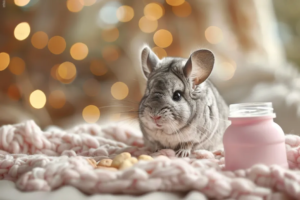
What to Do About Malocclusion in Hamsters
Because a hamster's teeth grow continuously, a lack of chewing materials and proper food can cause uneven tooth length and lead to malocclusion. When you notice this problem, take your pet to a veterinary clinic where a professional can gently file the teeth with sterilized tools. If a visit is not convenient, you may carefully trim the overgrown teeth at home using cleaned and disinfected nail clippers, then smooth the edges. Always keep the hamster steady to avoid cutting the mouth. To prevent recurrence, provide appropriate chew items such as hay, apple-branch sticks, and mineral stones. This guide covers the causes, signs, treatment, and prevention of hamster malocclusion.

What to Do When Your Dog Has Intestinal Scratches
Intestinal scratches in dogs are most often caused by swallowing sharp foreign objects such as glass shards, fish bones, or bone fragments. These items can lacerate the intestinal wall and lead to bleeding and infection. If you suspect your dog has an injured intestine, stay calm and take it to a veterinary clinic for examination and treatment as soon as possible. Mild scratches without a retained object may only require anti-inflammatory medication to prevent infection, while cases involving a foreign body need the object removed before further treatment. This article explains the common causes, warning signs, treatment options, and everyday prevention measures so you can act quickly and protect your dog's digestive health.
Dog Gastroenteritis with Bloody Stool: A Recovery Case
A 5-year-old dog passed soft stool with a little blood at the end for nearly a week, yet kept a good appetite and energy—pointing to chronic enteritis or gut overload rather than a severe acute illness. With gut-protecting, antibiotic, and probiotic support plus a bland diet, the stool normalized within a day. The case shows how diet and the right care heal a fragile gut.