Search Results
1086 results for “Mat prevention”

Common Parrot Eye Diseases and Treatment
Parrots commonly face keratitis, conjunctivitis, and cataracts. Keratitis ranges from surface scratches (tearing, light sensitivity) to deep or penetrating wounds threatening sight, treated by removing debris and antibiotic drops in dim light. Conjunctivitis from injury, vitamin lack, or infection needs boric-acid rinses and chloramphenicol; cataracts need surgery, so prevent with good hygiene and peace.

Rabbit Bronchitis: Causes, Diagnosis, and Treatment
Rabbit bronchitis, common in old and weak rabbits, brings cough, nasal discharge, and chest rales from cold, dust, mold spores, or irritant gases. Acute cases shift from dry to wet cough with breathing trouble; chronic ones cough after exercise or in cold air. Treat with antibiotics, cough suppressants or expectorants, and herbal tablets.
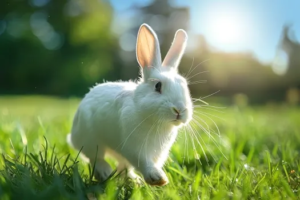
Rabbit Hairball Disease: Causes and Treatment
Hairball disease, common in long-haired rabbits, comes from swallowing too much fur and blocks the gut with constipation, bloating, and sometimes death. Causes range from cramped cages and poor diet to vitamin or mineral gaps and skin disease. Prevent it with full-ratio feed, isolation of fur-eaters, and regular grooming; treat with vegetable oil and enzyme tablets to pass the mass.

Preventing and Treating Rabbit Pasteurellosis
Pasteurella multocida lives quietly in the nasal and tonsillar tissue of many healthy rabbits and strikes only when stress or poor husbandry lowers resistance, spreading through secretions and contaminated feed or water. Control it with strict sanitation, regular vaccination, and prompt antibiotic or antiserum treatment.

How to Raise Rabbits
Successful rabbit keeping rests on healthy breeding stock, a clean ventilated hutch, grouped by size and sex, a digestible diet (pellets, alfalfa, veggies, boiled water), daily cleaning, and preventive vaccines against rabbit hemorrhagic disease and coccidiosis.

How to Tell Heatstroke and Wet Tail Apart in Hamsters
Both wet tail and heatstroke are serious and can be fatal in hamsters, and their symptoms look alike, so owners often mix them up and delay treatment. Here is how to tell the two apart.

Why Are Blood Parrot Cichlids Prone to White Spot Disease?
Blood parrot cichlids mainly get white spot disease (ich) from Ichthyophthirius parasitism, with large temperature swings the top trigger. Failing to hold stable temperatures, or big gaps between new and old water when changing water, easily causes outbreaks. Beyond ich, gill rot, red-skin disease, and dropsy are also common — take preventive measures to reduce illness and deaths.
How long does it take a dog to recover from eye repositioning surgery?
A dog generally recovers about two weeks after eye repositioning surgery, depending on its condition. Inflammation during recovery delays healing, so post-op eye care and infection prevention are important. If abnormal symptoms appear, see a vet. Prognosis is usually good, but vision and appearance depend on how long and severely the eye bulged.
How Often Should a Dog Have a Health Check?
Healthy dogs should be checked yearly; seniors or those with chronic disease every six months. Regular checks catch latent diseases early.
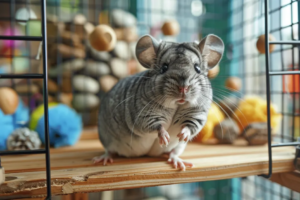
How to Treat Pneumonia in Hamsters?
Treating pneumonia in hamsters depends on catching it early and acting fast: confirm the cause with a vet, then use antibiotics or antifungals as prescribed, and support recovery with nebulization, a clean warm environment, and good nutrition. Because poor housing, dusty bedding, and stress are common triggers, prevention focuses on stable, clean, well-ventilated living conditions.