Search Results
1086 results for “Mat prevention”

Rabbit Eyes Bulging and Watering — Is It Conjunctivitis?
Bulging, red, watering rabbit eyes usually point to conjunctivitis, which can progress to pus, ulcers, and blindness if untreated. Causes include irritants, allergies, trapped debris, or infection; treatment is cleaning, antibiotic drops, and removing the trigger, with a clean, dry, well-ventilated hutch for prevention.

Rabbit Mange (Scabies): Symptoms and Control
Rabbit mange is a highly contagious mite infestation starting on low-fur areas (nose, eyes, claws, ears) and causing intense itch, scabs, hair loss, weight loss, and death if untreated. Isolate the sick rabbit at once, disinfect everything, and treat mild cases with ivermectin or trichlorfon plus 2% iodine; keep housing clean, dry, and well-lit to prevent it.

What Causes Cat Pneumonia — and How Is It Treated?
Cat pneumonia starts with lung or bronchial inflammation, often triggered by dirty air, low immunity, a foreign body, a cold, allergy, or another disease (parvo, panleukopenia, kidney/heart). Acute cases show sudden fever and breathing trouble; chronic shows lasting cough and low appetite. Treatment is culture-guided antibiotics plus cough relief and fluids, with prevention focused on a clean, dry environment.

How to Improve a Young Rabbit’s Constitution
For a strong young rabbit, manage its diet strictly and feed sensibly for balanced nutrition. Also keep its environment suitable and give moderate exercise to boost resistance. This article shares tips to improve a young rabbit's health.
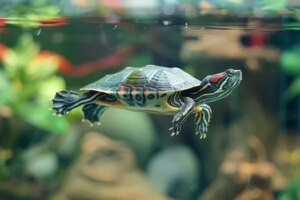
What Causes Scabies (Abscess) Disease in Turtles?
The pathogen of turtle scabies is a subspecies of Aeromonas hydrophila, normally present in water and on the turtle's skin and gut. Turtles usually carry it without symptoms, but once water is polluted or the body is wounded, the bacteria multiply and cause disease. This article covers the symptoms, causes and prevention of turtle scabies.
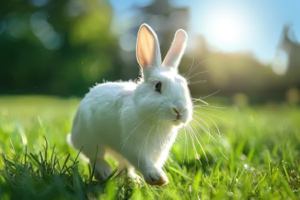
What to Do When a Rabbit Has Diarrhea
Rabbit diarrhea is common and can turn critical fast, especially in weanlings that have lost maternal antibodies. Treat infections with rabbit-safe antibiotics and keep the cage clean and dry; prevent it with safe food, gradual feed changes and isolation of sick rabbits.

Preventing and Treating Feline Steatitis (Yellow Fat Disease)
Feline steatitis, also called yellow fat disease, is a metabolic disorder usually from too much unsaturated fat and vitamin E deficiency in the diet. This article explains it.

Rabbit Louse Infestation: Signs and Treatment
Rabbit pediculosis is caused by the rabbit blood-sucking louse (Haemodipsus), spread by contact, that bites and itches the skin, causing restlessness, weight loss, and poor coats, worst in kits. Spot the lice and yellow eggs at the fur base; treat with ivermectin injection or coumaphos/trichlorfon/fenvalerate washes, and prevent by quarantine, cleaning, and routine deworming.

How to Improve the Survival Rate of Young Rabbits
Weaned rabbits under three months old have the lowest survival rate of any age group, with more than half of deaths caused by digestive disorders. Boost survival by minimizing stress during the transition, keeping a calm and clean environment, feeding small frequent meals of digestible high-fiber pellets, and following a strict vaccination and coccidiosis-prevention program.
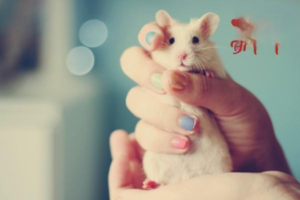
Caring for a Roborovski Hamster
The Roborovski (or 'father' dwarf hamster) is tiny and timid, so it needs a warm acrylic cage, a calm adjustment period, and a varied but careful diet — avoid loquat, peach and spicy food. Watch for cheek-pouch inflammation and clean the scent gland regularly.