Search Results
1086 results for “Mat prevention”

Causes of Rabbit Pica
Rabbit pica — the compulsive eating of non-food items such as fur, bedding, or newborn kits — usually arises from a mix of behavioral, environmental, nutritional, and health factors. Cage confinement, stress, poor husbandry, low fiber or mineral gaps, and skin parasites are the most common triggers. The fix starts with finding the root cause: a calm, clean enclosure, plenty of hay, added minerals, and prompt parasite treatment.

Symptoms of Gastroenteritis in Rabbits
Gastroenteritis hits rabbits of any age but kills many kits; catch it early or it's often fatal, so prevention beats treatment. Signs are foul, watery diarrhea with mucus, blood, and undigested feed, a soiled rear, a fever that then crashes below normal, and later lethargy, dehydration, and sunken eyes. Prevent with strict diet and hygiene; treat with antibiotics, anti-diarrheals, and fluid therapy.

What to Do If Your Cat Catches a Cold from a Fan
Cats can catch a cold from prolonged direct exposure to a fan, especially those that are weak or have low immunity. The best approach is prevention—keep the fan oscillating so air is never blown straight at the cat—and if a cold does develop, keep the cat warm, offer nutritious warm food, and ensure good hydration.
Can Cat FIP Spread to Humans?
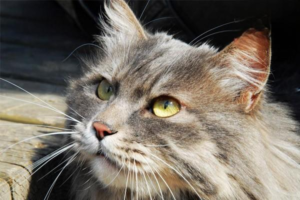
Feline infectious peritonitis (FIP) does not spread to people or, by current evidence, between cats—it is not considered a contagious disease. It arises when a cat's coronavirus mutates, driven by genetics, stress, and environment; prevention focuses on reducing stress and supporting immunity.

Constipation in Cats and Dogs
Constipation means stool hardens and lodges in the intestine, possibly causing full blockage; it is common in seniors but also young pets fed a single diet with little water or exercise. Treatment ranges from enemas and laxatives to surgery for megacolon, and a high-fiber recovery diet helps prevent relapse.

How Cat Health Relates to Nutrition
Pet cats are fully domesticated and far more delicate than stray cats, so nutrition — not just any kibble — is what keeps them well; spend on prevention through good food rather than on treatment. Favor natural options like raw meat, egg yolk, and goat's milk, use immune boosters such as transfer factor, and skip treat-pouches and gravy toppers that are mostly attractants.
Kitten Cold: Symptoms and Care
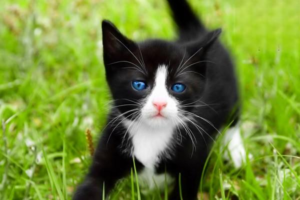
Kitten colds move through three stages — early (dry warm nose, mild sneezes, normal appetite), middle (low energy, red eyes, fast breathing, thick discharge), and late (eye and nose crusting, mouth ulcers, fever) — and can mimic panleukopenia or rhinotracheitis, so don't delay. Warmth, nutrition, and vet-approved meds (never human pills) are the plan, with vaccination as prevention.

Preventing Dog Skin Problems in the Rainy Season
Warm, wet weather lets bacteria, fleas, and mites breed in a dog's coat, and damp fur after rain or baths is a top trigger for itch and inflammation. Four moves keep skin healthy: avoid rain, dry paws and coat after walks, keep the home below 50–60% humidity, and bath or dry-clean thoroughly — watch for red patches, scabs, or constant scratching.

What to Do If Your Schnauzer Gets Eczema
Eczema is an inflammatory skin reaction of the epidermis to an allergen, showing as red patches, papules, blisters, weeping, and crusting with heat, pain, and itch. It is linked to allergies, irritation, excess carbohydrates, heat and humidity, and poor nutrition, and it appears most in China from May to September. Keep the skin clean and dry, use a flea collar, and treat with antibiotics and steroids plus an Elizabethan collar to stop self-trauma.

Can Kennel Cough Be Cured? Symptoms and Treatment
Kennel cough is a highly contagious canine respiratory infection (canine adenovirus type II) marked by a harsh, barking, often night-worse cough. Most cases are mild and clear with cough control plus antibiotics, though puppies under six months can develop dangerous bronchopneumonia.