Search Results
1086 results for “Mat prevention”

Understanding and Preventing Kidney Stones in Senior Pets
Senior dogs and cats are prone to kidney stones, with causes running from meat-heavy, vegetable-poor diets and low water intake to genetics and breed — purebreds are likelier victims. Once formed, stones are hard to cure and quick to return, so prevention leans on more water, a kibble-based diet with less meat and sodium, and more vegetables; only severe cases need surgery, which carries real anesthesia risk in older pets and requires a pre-op blood panel.

Don’t Let Summer Ruin Your Dog’s Ear Health
Hot, humid summers spike ear disease, especially in drop-eared breeds like Cockers, Beagles, and Basset Hounds. The four usual offenders — outer and inner ear infections, fungal overgrowth, and ear mites — all need a vet's lab confirmation and proper pet medication, never human products; the fix is prevention: dry, clean ears and regular checks.

Tips to Prevent Skin Disease in Cats
Cat skin trouble is usually ringworm or mites, and it is stubborn, relapsing, and contagious — so prevention pays off. Keep the environment dry and sunny, ease off egg yolk and red meat while feeding a dermatology diet if needed, and lean on immunity: daily sun, routine parasite prevention, and the odd supplement. Resistant cats simply don't break out.
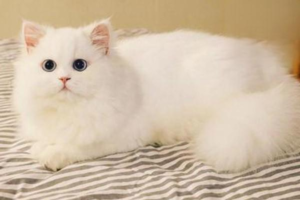
Which Insects Are Harmful to Cats
Many insects are harmless to cats, but spiders, stinging bees, venomous caterpillars, centipedes, scorpions, and fire ants can poison or injure them, and the chemicals used to kill pests are often more dangerous than the bugs. Monthly flea, tick, and heartworm prevention plus pet-safe products are the best protection.

Symptoms of Leptospirosis in Pets
Leptospirosis is a zoonotic infection of dogs and cats caused by pathogenic Leptospira, often silent but marked by fever, jaundice, anemia, edema, hemoglobinuria, bleeding, and in severe cases kidney and liver failure. It spreads through urine, contaminated water, and bites, peaks in warm wet seasons, and is diagnosed by signs plus kidney and liver damage. Prevention is vaccination and rodent control; treatment is antibiotics plus supportive care, avoiding streptomycin when kidneys are involved.
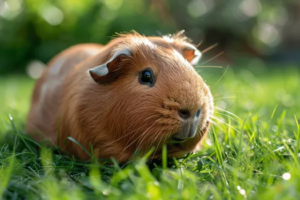
Chinchilla: Yellow Fur on the Rump — What to Do, and Can You Bathe It?
Yellow fur on a chinchilla's rump usually comes from urine stains or damp fur that oxidized, and if bad it can inflame the skin. Wipe with a warm towel, trim what will not come clean, or use a dust bath to fade it — but do not wash a chinchilla with water: the stress can drop immunity and even prove fatal, the dense coat stays wet and invites skin disease, and the natural protective film is stripped away. Keep the cage bottom dry, and simply yellowed fur is harmless.

What Do Cat Grass Tablets Do?
Cat grass tablets make a cat vomit up the hairballs its barbed tongue has swept into the gut, heading off hairball syndrome. Pair them with hairball paste, coat supplements, and daily brushing to stop the fur from building up in the first place.

Why Cats Get Tear Stains and How to Treat Them
Tear stains come from a salty or greasy diet, a blocked tear duct, or an infection like feline herpes. The fix follows the cause — blander food, a duct-opening procedure, or targeted antiviral care with warmth — and routine eye cleaning keeps them away.

Do Probiotics Help a Constipated Cat?
Probiotics mainly regulate gut flora and help prevent constipation, not cure it — severe cases need a vet. Watch for frequent straining, lost appetite, and a hard swollen belly (a vet emergency). Prevention: high-fiber food, plenty of water, more play, regular brushing for hairballs, belly massage, and a clean litter box. Never use a human enema — its magnesium can be fatal.

Is Canine Hip Dysplasia a Joint Disorder?
Hip dysplasia is a hereditary condition where the socket and ball of the joint no longer fit and move together properly. Affected dogs limp, bunny-hop, rise slowly, and struggle with stairs; large breeds often show clear signs by age four or five. Manage it with early screening, limited exercise, and keeping the joint warm and dry.