Search Results
461 results for “Malnutrition”

How to Judge a Hamster’s Health
When choosing a hamster, check activity, eyes, ears, coat, gait, tail, and teeth to avoid buying a sickly pet that may not survive the first week. Lethargy, discharge, hair loss, limping, dirty tail, or bad bite signal illness or poor care.

Why Has Your Cat Become a Picky Eater?
A cat turns picky for clear reasons—too many treats, a boring single diet, taste fatigue after a food switch, or heat and weather. Fix it with a vet check and diet plan, more variety, and small frequent meals; never starve a picky cat, or liver and kidney trouble can follow.

Can Cats Eat Dog Food Without Becoming Malnourished?
Cats must not eat dog food: they need two to three times more protein than dogs, plus more vitamin A and B1 (taurine), and cannot handle dog food's high carbs. Long-term dog food causes malnutrition, poor coat, and diabetes—always feed species-appropriate food.

What Causes a Dog to Have Frequent Diarrhea
A dog's frequent diarrhea may be caused by the owner feeding the dog food that is too greasy, or the dog being infected with intestinal parasites, suffering from chronic gastroenteritis, etc. It is recommended to self-check the cause according to the dog's specific situation, treat symptomatically, and then regulate through diet. Today we first introduce several common causes and solutions for dog diarrhea.

What to Do When Dogs and Cats Have Diarrhea? Keep These Fast Antidiarrheals on Hand
The medical term for diarrhea is diarrhea, which usually refers to changes in bowel habits and stool characteristics, generally manifested as frequent defecation, increased stool volume, loose stools, and bloody stool. Most diarrhea in dogs and cats is caused by gastrointestinal discomfort, but it may also be a concurrent symptom of other diseases. Today we discuss knowledge about diarrhea in dogs and cats.

Common Causes and First Aid for Dog Myocarditis
Myocarditis means an over-excitable heart muscle with weakened pumping. It usually follows another illness — infection, parasites, poisoning, rheumatism, anemia. Learn the common causes, the signs, and the first-aid steps.
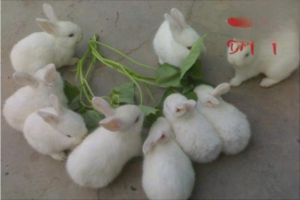
Why Is Your Rabbit Twitching or Having Limb Spasms?
Rabbit limb twitching can signal coccidiosis (often fatal in kits), low blood sugar, or epilepsy. This article explains each cause and the response—coccidia prevention, glucose first aid, and a calm environment for epileptic rabbits.

Gastroenteritis in Dogs and Cats: Types, Symptoms & Medication
Gastroenteritis in dogs and cats spans gastritis (acute/chronic) and enteritis (viral, bacterial, parasitic). This guide covers causes, symptoms, and the medication approach—anti-inflammatories, anti-vomiting, anti-diarrhea, dewormers, probiotics—plus prevention.

Common Causes of Shedding in Cats and Dogs and How to Relieve It with Medication
Shedding in pets is common, but excessive or abnormal hair loss usually signals an underlying problem—seasonal coat change, parasites, fungal infection, poor nutrition, allergies, hormonal imbalance, over-bathing, or stress. This article covers the causes and the medications that help.

Causes of Hypoglycemia in Cats and Dogs
Hypoglycemia in pets has many triggers: stress, cold, poor nutrition, parasites, overexercise, endocrine or liver disease, and drug side effects (especially too much insulin in diabetics). Mild cases show weakness; severe cases bring coma and death. Rub glucose on the gums for quick relief, and see a vet with the full history.