Search Results
461 results for “Malnutrition”
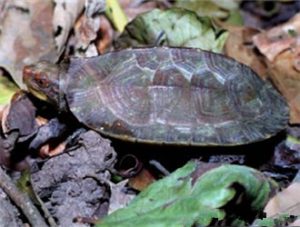
Cochin Forest Cane Turtle
The Cochin Forest Cane Turtle (Vijayachelys silvatica) is a rare, semi-aquatic turtle from the forested hills of southern India above 300 m. Secretive and burrowing, it is seldom seen in trade and hard to keep.

African Keeled Mud Turtle
The African Keeled Mud Turtle (Pelusios carinatus) is a side-necked turtle from Africa, dark gray to black with a keeled shell and a yellow plastron. A gentle, hardy semi-aquatic species that adapts well to captivity and makes a good, if uncommon, community turtle.

Philippen’s Stripe-necked Turtle
Philippen's Stripe-necked Turtle (Ocadia philippeni) is a large striped-neck turtle endemic to Hainan, China, resembling the Chinese stripe-necked turtle but with a larger carapace. Sensitive to temperature swings, it is omnivorous and fairly easy to keep, though wild individuals are scarce and often mislabeled as the Chinese stripe-necked turtle.
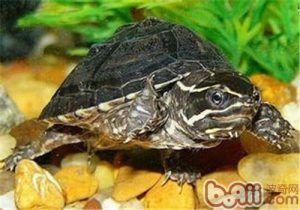
Mud Turtle
The Mud Turtle is not a single species but a group of turtles sharing common traits in body structure or distribution, classified under one family. The family Kinosternidae includes the mud turtles and musk turtles.

East African Black Mud Turtle
The East African Black Mud Turtle is scarce in the wild and thus rarely kept in captivity; in China it is uncommon, though other side-neck species are seen more often, indicating its rarity and need for protection. It eats both plants and animals, living in shallow water and occasionally climbing onto land.
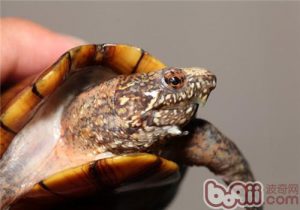
Kinosternon acutum (Tabasco Mud Turtle)
The Tabasco mud turtle (Kinosternon acutum) is a medium-sized mud turtle prized for its vivid head striping, found mainly in the Mexican Caribbean lowlands. It is rarer than the narrow-bridged musk turtle and seldom seen on the market.
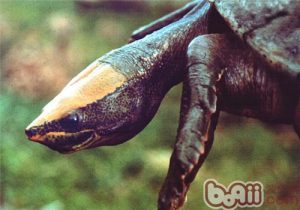
Central American River Turtle
The Central American River Turtle (Dermatemys mawii) is a large aquatic turtle, scarce in number and protected by local governments. It is a rarely seen aquatic species, the sole surviving member of the family Dermatemydidae, and an ancient reptile now found only in a small part of Mexico.

Vitamin A Deficiency in Dogs and Cats
Vitamin A deficiency in dogs and cats results from a diet lacking preformed vitamin A and its precursors, impairing vision, skin, growth, and reproduction. It causes night blindness, dry eye, flaky skin, and in young animals bone deformity and paralysis, and is corrected by dietary vitamin A and treating any gut disease.

Canine and Feline Immunodeficiency Disease
Immunodeficiency is a failure of the immune system, born or acquired, that leaves pets unable to fight infections, leading to repeated, hard-to-treat illness. Congenital forms cannot be cured, while acquired forms are managed supportively.

Hypoglossal Nerve Paralysis in Dogs and Cats
Hypoglossal nerve paralysis causes the tongue to protrude from the mouth and makes eating, chewing, and swallowing difficult. It usually follows submandibular trauma, a hematoma, or a tumor pressing on the nerve, and chronic cases can lead to tongue atrophy.