Search Results
1495 results for “Loss of appetite”
Best Medications for Cats with Colitis and Blood in Stool
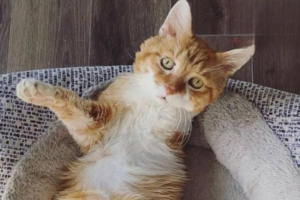
If your cat is mentally normal with a normal temperature and no loss of appetite, but frequently passes soft or even watery stools with a foul, fishy odor, it may have colitis. Feline colitis is often related to viruses and parasites, and requires prompt identification of the cause and treatment to avoid dehydration or even death. Today we walk you through the treatment of feline colitis.

Symptoms and At-Home Medication Treatment for Canine Distemper and Feline Panleukopenia
Distemper disease is a highly contagious viral disease with a high fatality rate, usually showing symptoms such as high fever, vomiting, diarrhea, loss of appetite, lethargy, and increased eye and nasal discharge. Common pets such as dogs and cats may be infected with the distemper virus, and the most effective way to prevent viral infection is vaccination. Today we explain knowledge about distemper disease around canine distemper and feline panleukopenia.

Symptoms and Treatment of Rabbit Ear Mange
Rabbit ear mange is a highly contagious skin disease caused by mite infestation, usually the result of poor hygiene. Infected rabbits scratch their ears constantly and shake their head, and may also show lethargy, restlessness, and loss of appetite; if left untreated the infection can spread and become life-threatening.

Rabbit Mastitis
Mastitis in rabbits causes loss of appetite and refusal to nurse; without prompt treatment the doe can die from septicemia. The main signs are a hot, red, painful udder that may turn blue in severe cases. It most often appears in nursing does around 20 days after kindling.
Causes and Symptoms of Stomatitis in Rabbits
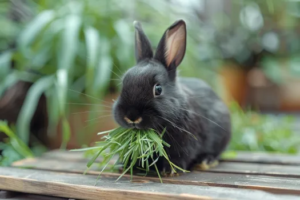
Stomatitis in rabbits is an acute, highly contagious viral infection that mainly strikes 1–4-month-old kits and can be fatal within a week if untreated. It causes drooling, mouth blisters and ulcers, and loss of appetite, and is usually caught from contaminated feed or water entering through small mouth wounds.

Is Your Dog Sick If Its Nose Is Running
A dog with a runny nose is not automatically sick - mild cases often clear up on their own, so do not panic. But watch for loss of appetite, cough, vomiting, or loose stool, which mean something more serious. The discharge type is a clue: clear watery fluid suggests a cold or rhinitis; thick egg-white mucus points to an upper respiratory infection or bronchitis; yellow-white sticky mucus signals sinusitis; pus-like, pasty discharge suggests distemper, pneumonia, or bronchitis; and blood-tinged or foamy fluid warns of lung bleeding, edema, or congestion. If it is only a simple cold, keep the dog warm, give water, and a little children's-dose banlangen or antiviral oral liquid for about three days - but stick to a child's dose.
One-and-a-half-month kitten foamed at the mouth and vomited; taken for a shot and meds, no improvement, then diagnosed with panleukopenia at the vet, on IV fluids for 7-8 days, still eats nothing, slight bloody stool, empty gut
Panleukopenia attacks the gut lining and causes loss of appetite and ongoing vomiting, so early treatment withholds food and uses IV nutrition to prevent dehydration. The vet gives symptomatic care plus leukocyte boosters, interferon, and panleukopenia monoclonal antibody. Once vomiting, diarrhea, and blood stop, feed small amounts of liquid high-protein food and appetite-stimulating injections.
What Happens If I Feed a Teddy (Poodle) Whole Milk?
A Poodle drinking whole milk may show lactose intolerance—diarrhea, vomiting, loss of appetite—because it lacks lactase. Prolonged diarrhea can cause dangerous dehydration, so lactose-free milk, goat's milk, or pet formula is recommended instead.
My Dog Has a Runny Nose, Won’t Eat, Is Listless, and Has Lost a Lot of Weight
A dog with a runny nose, loss of appetite, and lethargy usually has a respiratory infection. If unvaccinated, rule out distemper; if fully vaccinated, pet-specific cold and anti-inflammatory meds plus palatable food can help.
My Cat Is Lethargic, Not Eating, and Has Fluid Discharge from Its Eyes
Lethargy, loss of appetite, and increased eye discharge can come from cat food that is too salty or greasy, or from a respiratory infection. Try offering other foods; if the cat still won't eat, see a vet.