Search Results
1495 results for “Loss of appetite”
I bought a cat from the market; it has had no appetite and looks lethargic, sleeping from morning to night. How can I tell if the cat is sick?
Cats hide illness well, so judge by: 1) sleep time - sick cats are more sleepy; if no other signs, keep watching, but two days of low spirits suggests illness. 2) Temperature - fever shows appetite loss, sleepiness, very dry nose, hot ears. 3) Less grooming, curling, or 'hen-squat' are signs. 4) Watch diet, stool, urine, and signs like vomiting, retching, cough, runny nose; if any, it is sick and needs a vet.
What is a female dog’s appetite like during heat?
Some lose appetite during heat from rising hormones and discomfort if not bred; severe loss may mean more than heat - see a vet. Long-term no spay raises reproductive disease risk; spay if not breeding.
A dog ate some lamb liver a few days ago and now has seizures, breathing difficulty, weakness, no appetite, and drinks very little. What is the cause?
If a dog ate lamb liver a few days ago and now shows seizures, breathing difficulty, weakness, loss of appetite, and low water intake, the most likely cause is vitamin A toxicity or another metabolic issue from the organ meat, though other toxins or disease are possible. Lamb liver is very rich and can overwhelm the system.
Senior unneutered dog, good spirits and appetite, but frequent urination about every half hour, large volume, often on the bed; ultrasound shows no reproductive inflammation, blood tests normal except mild heart failure
Increased urination in senior dogs is common; aging affects urinary and gut function, needing more water to excrete waste, and temperature changes alter intake. If drinking and urinating rise with weight loss, suspect diabetes and check glucose and urine sugar with low-sugar diet. Painful urination or genital licking suggests cystitis or urethritis; congenital or metabolic diseases like diabetes, kidney disease or Cushing's also cause it.
Hair Loss and Excessive Urination? Symptoms of Hormonal Imbalance in Cats
Feline hormonal (endocrine) imbalance is not one disease but a sign of disorders such as hyperthyroidism, diabetes, Cushing's syndrome, or hypothyroidism. Hyperthyroidism brings ravenous appetite with weight loss, thirst, and overactivity; diabetes causes the 'three polys plus weight loss' and weak hind legs; hypothyroidism shows as lethargy, weight gain, and a dry, thinning coat. See a vet for blood and urine tests if you notice these signs.

Why Cats Suddenly Lose Their Appetite
A sudden loss of appetite can come from mild causes, weather, heat, stress, or fussy eating, or from illness such as mouth pain, digestive trouble, parasites, or systemic disease. Find the cause first: treat oral pain with pet anti-inflammatories and oral spray, settle the gut with probiotics, and deworm if parasites are to blame.

Recipe: Homemade Chicken Floss for Cats
Chicken floss is a soft, powdery topper few cats refuse — great for picky eaters and cats that need to gain weight. Slice chicken breast into strips and dehydrate at 65 °C for about eight hours (dry it thoroughly, unlike jerky which keeps some moisture), then grind it into floss. Serve it mixed into kibble; cats often eat a full breast's worth in one sitting, and their appetite noticeably improves.
My one-month-old Malinois had deworming yesterday and lost its appetite the next day — why?
Reduced appetite after internal deworming is normal; the medication irritates the gut and may cause mild vomiting, diarrhea, or appetite loss that usually passes in 1–2 days. If symptoms persist, rule out allergy or other illness and see a vet.
My male mixed-breed dog has a red lump protruding from his urethra, has lost his appetite, seems lethargic, and has gotten thin. What could this be?
A dog with a red tissue mass protruding from the urethra, reduced appetite, lethargy, and weight loss may have penile inflammation, a genital tumor, or another growth. Veterinary examination is needed to confirm the cause.
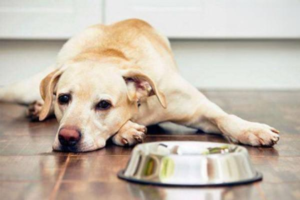
Dog Has No Appetite but Stays Active
When a dog skips meals yet stays playful, the cause is usually the food itself or picky habits, not illness. Rule out the kibble first, then watch for a possible blockage if there is no bowel movement or drinking.