Search Results
1501 results for “Loss of appetite”
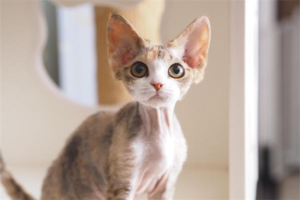
How Long Does a Female Cat’s Heat Last?
A female cat's heat usually lasts about 3–10 days (cycle 14–21 days, 2–3 times a year), with signs of loud yowling, irritability, swollen vulva, raised-rump posture, lower appetite, spraying, and escape attempts—so secure doors and windows. Spaying is the permanent fix and lowers reproductive-disease risk; distract with play, white noise, and check-ups meanwhile.

Causes and Treatment of Dog Hepatitis
Dog hepatitis can stem from infectious canine hepatitis, toxins or drugs (arsenic, mercury, plant alkaloids, phenols, chlorpromazine, testosterone, halothane), or liver-fluke parasites. Early signs are vague — lethargy, appetite loss, jaundice, vomiting — so a vet visit and blood work are needed; treatment removes the cause, supports the liver, and uses antivirals when viral.
Can Dogs Eat Raw Eggs? Stop Following the Trend Blindly
Raw eggs are best avoided: shells and yolks can carry Salmonella, Toxoplasma, and roundworms (diarrhea, appetite loss, weight loss; toxoplasma can deform or abort puppies), and raw egg white contains avidin that binds biotin and hurts skin, coat, and nerves. If you must, use sushi-grade eggs and start with a quarter. Also keep chocolate, grapes, onion, alcohol, xylitol, caffeine, salty/sugary food, dairy, and bones off the menu.
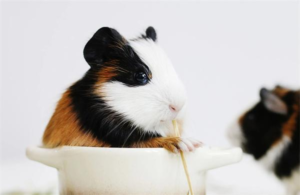
Common Guinea Pig Diseases and Their Symptoms
Guinea pigs commonly suffer digestive troubles (diarrhea, constipation, gut parasites), respiratory infections (pneumonia, bronchitis), skin disease from bacteria, fungus, or external parasites, and urinary issues (cystitis, nephritis). Good diet, clean housing, checkups, and prevention keep them healthy.
Why Is Your Dog Scooting (Dragging Its Bottom) on the Floor?
A dog dragging its bottom usually means anal itching or pain — most often impacted or infected anal glands, intestinal parasites (tapeworms), perianal skin infection, or allergies. Signs like frequent licking, straining to defecate, or a red swollen anus point to anal-gland disease (express and apply an antibiotic ointment). White rice-like segments mean tapeworms (use a praziquantel dewormer). Rule out health causes before blaming boredom or anxiety.
Which Dogs Need Calcium Supplements? Don’t Overdo It
Healthy dogs rarely need extra calcium, but growing large-breed puppies on low-calcium diets, pregnant or nursing mothers (risk of eclampsia), and seniors with weak digestion may need some. Get a vet check first, then choose the right form (calcium carbonate, citrate, or lactate) and food sources, plus sunlight and exercise. Too much calcium harms bone development and can cause kidney stones.
When is a cat’s breeding season, or heat period?
Cats come into heat in spring and autumn. Females start around 6 months with 3 to 7 day cycles; males around 6 to 8 months with 7 to 10 day cycles, and can be triggered by a nearby female. Heat brings clinginess, appetite loss, and spraying, so spay if you do not plan to breed.
Why do dogs get canine parvovirus?
Dogs catch parvovirus through poor diet, chilling, dirty living conditions, internal parasites, or contact with the virus. Signs include lethargy, appetite loss, vomiting, diarrhea, and bloody stool; untreated cases dehydrate and can die. Vaccination prevents it, so see a vet promptly if infection is suspected.
Is a Dry Cat Nose a Sign of Illness? Don’t Panic — Here’s What It Means
A dry nose doesn't automatically mean sickness — a normal cat nose is cool and moist, but it dries out after sleep, exercise, in dry/ hot air, with age, or in flat-faced breeds (Exotic Shorthair, Persian) that can't lick it. Worry only if the nose stays dry with cracks or scabs (skin disease, autoimmune issues, B-vitamin lack), or if it's hot with a fever over 39.5°C plus lethargy. Keep the room at 40–60% humidity and watch appetite and temperature.
Does a Cat’s Purring Always Mean It’s Happy?
Most purring does mean a relaxed, content cat, produced by vocal-cord vibration at 20–140 Hz. But cats also purr to self-soothe when stressed, anxious, or in pain (arthritis, illness, labor), and a fast, tense purr with flattened ears signals distress. If purring comes with appetite loss, odd litter-box habits, or lethargy, see a vet.