Search Results
3156 results for “Lop”

Why Dogs and Cats Develop Heart Disease
Heart disease in dogs and cats can be congenital or acquired, and it is often silent until late stages. Learn the causes — from inherited defects to sudden heart strain — and the signs owners should watch for in both dogs and cats.
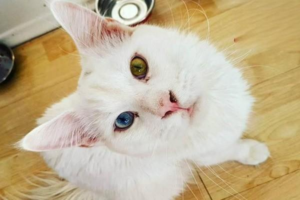
Why Cats Develop Fatty Liver Disease
Fatty liver in cats is almost always a sign of an underlying problem — a hidden illness, obesity, diabetes, or stress from big changes. Cornell research found most cases are linked to other diseases. The disease is split into secondary (caused by another condition) and primary (cause unknown), but both progress the same way and need the same treatment.

Why Does a Dog Develop Thick Calluses on Its Paws?
Paw pads look cute, but thick, hard, dry pads like calluses mean over-keratinization. Here is the knowledge.

Why Do Dogs Develop Pica?
Pica is when a dog eats non-food items, from one favorite object to all sorts of odd things. Causes include stress, poor diet, parasites, disease, or puppy curiosity. Understand the causes to prevent it.
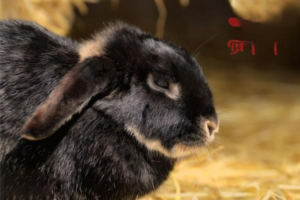
Lop-Eared Rabbits: Pros and How Much They Cost
Lop-eared rabbits are gentle, low-maintenance pets that suit first-time owners. This guide covers their calm temperament, lower upkeep costs, trainability, and styling versatility, plus typical pricing.
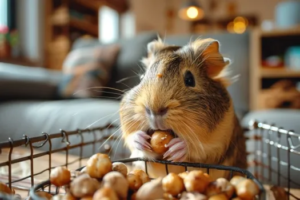
When Do a Hamster’s Teeth Fully Develop?
Hamsters are born with teeth, and by about three weeks they are fully grown, at which point weaning begins since they can eat solid food. Because their front teeth never stop growing, they need constant chewing—hay, apple twigs, mineral stones—to wear them down and avoid overgrowth and mouth disease.

What Foods Help Goldfish Grow and Develop?
Goldfish are omnivorous—they eat live animal food, plant matter, and prepared pellets. Live foods include bloodworms, daphnia, cyclops, paramecium, mosquito larvae, tubifex, mealworms, yellow mealworms. Plant foods: aquatic plants, algae, duckweed, tender greens, fruit. Newly hatched fry take boiled egg yolk, brine shrimp eggs, infusoria; ages 1–2 months mainly animal food; after 2 months, prepared food plus some animal/plant food.
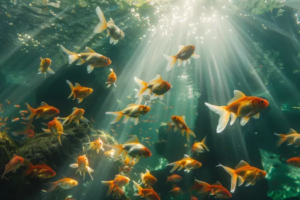
Why Arowanas Develop Droopy Eyes (Drop-Eye)
Drop-eye is a common and stubborn problem in arowana. It is driven by genetics as well as husbandry factors—feeding method, tank height, lighting, and overnutrition—and can be prevented by adjusting these conditions.

Feeding a Growing Kitten: Diet and Development
A kitten's body is still developing and grows fast, so balanced, ample nutrition matters. This guide covers the weaning transition, the high energy, protein, calcium, phosphorus, and taurine needs of the growth stage, and how a kitten's weight and maturity progress to adulthood.

Do Lop Rabbits Smell? How to Handle a Smelly Rabbit
Lop rabbits are clean, burrow-loving animals that groom themselves and have light-scattering droppings, so they rarely smell. This guide explains why a rabbit may smell—litter habits and scent glands—and how to fix it with training, diet, bathing, and hygiene.