Search Results
3018 results for “Lop”

How Dogs Develop Eczema
Damp weather turns a dog's coat into a breeding ground for bacteria. Long unkempt fur, joint pain, separation anxiety, weak immunity, and wet environments all push dogs toward eczema. Learn the common pathways.

How to Judge a Hamster’s Development Stage
Track a hamster's development by birth date, weight, and size. Gestation is about 16 days (robos ~20); eyes open at 15–17 days, weaning at 19–21. Best breeding age is 4–8 months; sexual maturity differs by type (dwarf ~23–48 days, robos ~60). Full growth ends around 5 months.

Why Rabbits Develop Foot Dermatitis
Rabbits lack paw pads, so their bare soles are easily damaged. Foot dermatitis forms from humidity, mites, rough cage floors, poor hygiene, and sparse foot fur—a clean, dry hutch avoids most cases.

How Likely Is a Cat to Develop HCM?
Feline hypertrophic cardiomyopathy is common and can hit any age or breed, often with no early signs until a sudden, life-threatening episode. Learn the risk, the symptoms, and how it is treated.

Why Dogs Develop Dilated Cardiomyopathy
Dilated cardiomyopathy in dogs has four main causes — genetics, nutrient deficiency, viruses or parasites, and low thyroid hormone. It is hard to cure, so early diagnosis and careful management matter most. Here is what every owner should know.

Why Dogs and Cats Develop Heart Disease
Heart disease in dogs and cats can be congenital or acquired, and it is often silent until late stages. Learn the causes — from inherited defects to sudden heart strain — and the signs owners should watch for in both dogs and cats.
Why Cats Develop Fatty Liver Disease
Fatty liver in cats is almost always a sign of an underlying problem — a hidden illness, obesity, diabetes, or stress from big changes. Cornell research found most cases are linked to other diseases. The disease is split into secondary (caused by another condition) and primary (cause unknown), but both progress the same way and need the same treatment.

Why Does a Dog Develop Thick Calluses on Its Paws?
Paw pads look cute, but thick, hard, dry pads like calluses mean over-keratinization. Here is the knowledge.
Why Do Dogs Develop Pica?
Pica is when a dog eats non-food items, from one favorite object to all sorts of odd things. Causes include stress, poor diet, parasites, disease, or puppy curiosity. Understand the causes to prevent it.
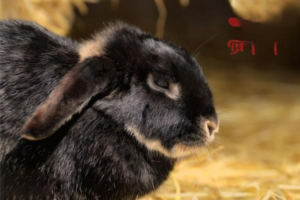
Lop-Eared Rabbits: Pros and How Much They Cost
Lop-eared rabbits are gentle, low-maintenance pets that suit first-time owners. This guide covers their calm temperament, lower upkeep costs, trainability, and styling versatility, plus typical pricing.