Search Results
201 results for “Intestinal blockage”

Can a Dog’s Intestinal Obstruction Heal on Its Own?
A dog's intestinal obstruction cannot heal on its own — it's a serious emergency where the gut is blocked by a foreign object, twist, tumor, or intussusception, and delay risks bowel death, sepsis, or shock. Signs include vomiting, a hard swollen belly, no stool or gas, and lethargy; get to a vet immediately, as many cases need emergency surgery.

How Is Dog Intestinal Obstruction Treated?
Intestinal obstruction splits into complete and partial forms; complete blockage is more dangerous, risking gut death, perforation, and shock, while partial cases start mild but can become complete if ignored, so treat early either way. Diagnosis uses abdominal X-ray or ultrasound to see gas, fluid, and the object. Treatment usually means surgery to remove the blockage, with partial or stable cases sometimes starting on fluids and support first; tumors or severe damage may require removing part of the bowel. Most dogs recover with prompt care, but delay can be fatal.

Why Do Dogs Get Intestinal Obstruction?
The most common cause of dog intestinal obstruction is swallowing a foreign object the gut cannot pass, with constipation from dry, hard stool as another frequent trigger. Lack of trace elements can cause pica that leads to eating odd things, and fast or large meals also play a role. Signs are frequent vomiting, early diarrhea that stops once the bowel empties, bad breath from gut fermentation, and abdominal pain with the dog biting or staring at its belly. Ultrasound or X-ray shows the blockage, though string may need a barium study. Treat early to avoid worse damage.

Intestinal Obstruction in Dogs and Cats
Intestinal obstruction is a physical or functional blockage that prevents intestinal contents from moving normally, causing severe abdominal pain and systemic illness. It may be partial or complete and usually requires surgery to remove the blockage, plus fluids and antibiotics.

How to Diagnose Vomiting in Dogs
Vomiting is a sign, not a disease, so diagnosis starts by pairing it with other clues. The episode's length, its timing after eating, what the vomit contains, any abdominal pain, and the pattern of bouts all point to the source — from esophageal and gastric disease to intestinal blockage or central nervous causes. Even rare but projectile vomiting warrants checking for a brain lesion.
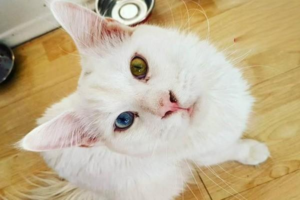
How to Deal with Hairballs in Cats
Cats swallow loose fur while grooming, and when it piles up it causes hairball syndrome — lost appetite, retching, and constipation, potentially even intestinal blockage. Manage it with hairball paste from around 4 months, cat grass, daily brushing, and the occasional hairball-control diet.

Can Cats Eat Sweet Potatoes? Common Misconceptions
Cats can eat sweet potatoes in moderation — they provide vitamin A, B6, C, and dietary fiber that support immunity, eyes, and digestion. But they are starchy and sugary, must be cooked and peeled, and should stay under 10% of total intake to avoid diabetes, intestinal blockage, and nutritional imbalance.

Can Dogs Eat Bayberries (Waxberries)?
Dogs can eat bayberries in moderation. Bayberries are rich in vitamin C, minerals, and dietary fiber, which can support a dog's immunity. However, dogs digest fruit poorly, and too many can cause indigestion, soft stools, or diarrhea, so control the amount. The pits are large and may cause constipation or even intestinal blockage, so always pit them or serve as diluted juice.

What Are the Symptoms of Chinchilla Constipation?
Constipation is common in chinchillas and can lead to poor appetite, malnutrition, even intestinal blockage. Symptoms are easy to spot — small, hard, dark, misshapen, foul-smelling droppings, and in severe cases appetite loss and lethargy. Causes include poor diet, low water, and stress from over-handling; treatment focuses on hydration, fiber and gentle exercise.
No energy, vomited, won’t eat
Dog vomiting has many causes: gastritis, intestinal blockage, pancreatitis, parasites, viral disease, liver/gallbladder disease. If unvaccinated, rule out distemper or parvovirus. See a vet for tests; if infectious, use antivirals promptly. If just enteritis, anti-inflammatory and antiemetic shots plus a light diet for a few days usually recover.