Search Results
704 results for “Internal parasites”
What are the signs of internal parasites in dogs?
Signs include low appetite, vomiting, diarrhea, bloody stool, and scooting; white eggs or worms in stool signal severe infection. Regular deworming is key.

How to Tell If Your Dog Has Internal Parasites
Internal parasites in dogs often cause poor appetite, vomiting, diarrhea, weight loss, dull coat, and itching, and heavy infestations add anemia, rapid breathing, unsteady gait, seizures, or coughing. To confirm, a veterinarian can run a fecal exam, blood test, or imaging such as X-ray or CT to find eggs, larvae, or the parasite's size and location. Prevent infection with good hygiene, regular deworming, and not letting the dog eat waste or raw meat, and treat promptly with the right dewormer if infected.

Internal Parasites in Turtles: Tapeworms and Roundworms
Tapeworms and roundworms are two of the most common internal parasites in turtles, and telling them apart matters because the treatment differs. Tapeworms steal nutrients in the gut and shed visible segments in the stool; roundworms come in many forms and can block the intestine when severe. Both are diagnosed through fecal exams and treated with specific dewormers plus gut support. This guide outlines the symptoms of each and the practical medication and aftercare steps to clear them.
Internal Parasites in Turtles: Flukes and Protozoa
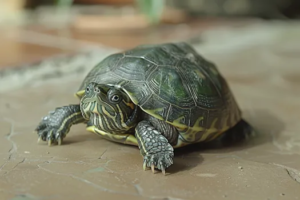
Flukes and protozoa are among the more common internal parasites in pet turtles, and knowing their signs helps you act before they drain your turtle's health. Flukes lodge in the liver, pancreas, and gut, causing appetite loss and bloody stool, while protozoa such as amoebas inflame the intestine and often trigger bacterial enteritis at the same time. Both are diagnosed through fecal checks and treated with specific dewormers plus gut support. This guide lays out the symptoms and the matching treatment for each parasite.

Internal Parasites in Cats
Internal parasites are a common and potentially serious problem in cats, ranging from roundworms and hookworms to tapeworms and filarial worms. Left untreated, heavy infestations can stunt growth, cause anemia, and even prove fatal. Regular deworming is the most reliable way to keep them under control.

What to Know About Deworming a Cat Internally
Internal deworming can cause reactions — some cats vomit or have diarrhea after the tablet, usually settling in a day or two. Reactions stem from a sensitive gut or the wrong product; pick a reputable, gentle brand for seniors, weak cats, and first-timers, and only deworm a healthy cat at the correct dose.

A Complete Guide to Internal and External Deworming for Dogs
Deworming covers internal parasites (roundworms, hookworms, tapeworms, toxoplasma) and external ones (lice, fleas, ticks, mites), several of which can pass to people. Treat internally with oral medication and externally with spot-on or spray, dose by weight, and keep puppies on a monthly schedule until adult.

Why a Kitten May Have High Internal Inflammation
Inflammation is the body's defensive response to irritation — infection, injury, parasites, or organ disease — and shows as fever, redness, pain, and poor appetite. Find the underlying cause with veterinary testing, treat it specifically, and rely on regular checkups to catch problems early.

Toxoplasmosis: An Internal Parasite in Pets
How much do you know about Toxoplasma, an internal parasite in pets?

Cat Internal Deworming: Timing and Notes
Cat deworming has internal and external types, very different, targeting different parasites. Both are needed and not interchangeable. Here are the timing and notes.