Search Results
704 results for “Internal parasites”
Why Is a Puppy Vomiting and Refusing to Eat?
When a young puppy vomits and turns away from its food, the cause usually falls into one of four buckets: stress from a new home or unsuitable food, uncontrolled feeding habits, internal parasites, or an infectious disease such as distemper. Puppies are especially vulnerable because their immune and digestive systems are still developing, so a single episode should not be ignored. Identifying which factor is behind the symptoms lets you act quickly—whether that means calming the pup, fixing the feeding routine, deworming, or getting to a vet before a treatable problem becomes serious.
Why Is My Cat Vomiting Green Liquid and How Should I Treat It?
Seeing your cat bring up green liquid is worrying, but it usually points to one of a few common and manageable causes. The green color often comes from bile, which appears when the stomach is empty or the gut is irritated. Frequent triggers include acute gastroenteritis from weather changes or sudden diet switches, internal parasites, spoiled food, and hairballs that will not pass. The right response depends entirely on the underlying cause—some cases need only warmth and probiotics, while others call for prompt deworming or a vet visit. This guide walks through each possibility and the matching treatment.
Why Your Cat Always Seems Hungry
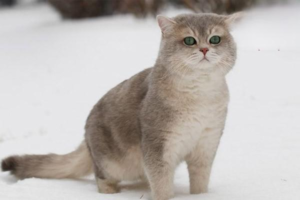
A sudden or constant increase in appetite can signal more than a greedy cat. Internal parasites such as roundworms and tapeworms steal nutrients, leaving your cat underfed despite eating plenty. Diseases like hyperthyroidism, diabetes, or tumors also prevent the body from using food properly, so the cat stays hungry and may lose weight. Emotional boredom and stress can trigger comfort eating too. If your cat eats a lot yet keeps losing weight, a veterinary checkup is essential.
My cat is vomiting yellow fluid with blood
A cat vomiting yellow fluid with blood can stem from indigestion, feline distemper virus, internal parasites, or gastroenteritis. Try brief fasting, give pet anti-inflammatory and anti-vomiting meds plus probiotics, and watch for improvement. If vomiting persists, see a vet.

How to Choose a Dewormer for Your Dog: A Science-Based Buying Guide
Choosing a reliable dog dewormer comes down to three things: a verifiable veterinary license, a broad-spectrum active ingredient that covers the parasites your dog is actually exposed to, and a price you can sustain month after month. Internal parasites (roundworms, hookworms, whipworms, heartworm) and external ones (fleas, ticks, lice, ear mites) require different actives, so a combined product or a matched pair is usually the most efficient plan. This guide explains the core selection criteria and the most common mistakes owners make, so you can protect your dog and your household without overspending.
My one-month-old blue kitten vomits white liquid after a bowel movement — what causes this?
Vomiting can stem from indigestion, diet problems, or internal parasites; for an unvaccinated kitten also rule out infectious disease. Sudden food changes or unsuitable human food like milk can upset the gut. If the kitten is bright, fast it briefly and watch; if vomiting persists or other signs appear, see a vet.
My one-month-old blue kitten vomits white liquid after pooping — what could cause it?
Vomiting in cats has many causes — indigestion, diet changes, internal parasites, and (in unvaccinated kittens) infectious disease. Withhold food briefly if the kitten is bright, but see a vet if vomiting persists or other signs appear.
Why is my one-month-old kitten vomiting white liquid after defecating?
Vomiting in cats can be caused by indigestion, dietary issues, internal parasites, or—in unvaccinated cats—infectious disease. Sudden food changes or unsuitable human foods like milk can upset the digestive system. If your kitten is otherwise alert, withhold food briefly to observe; seek care if vomiting continues.
Why is my dog leaking or spraying stool?
Leaking or spraying stool is usually a sign of diarrhea from parasites, a chill, improper diet, or indigestion. Internal parasites such as roundworms, whipworms, or hookworms cause loose stool along with poor appetite, vomiting, stunted growth, and a dull coat, and need prompt deworming. Greasy or unclean food can also upset the gut. Because the causes vary, treatment should target the underlying reason.
What Diseases Are Discus Fish Prone To?
Discus fish commonly get saprolegniasis (water mold), enteric bacterial disease, and internal parasites. Poor temperature, big swings, bad water quality, and wrong lighting raise the risk; regular water changes and stable warmth help prevent illness.