Search Results
97 results for “Ingredient label”

Dog CoQ10 Buyer’s Guide: What Actually Makes a Product Work
CoQ10 supports heart-muscle energy and acts as an antioxidant, but a dog only benefits if the supplement actually contains a real, absorbable dose. With products ranging from a few dollars to several hundred and quality all over the map, the smart move is to judge a product by its label and testing — not by marketing or country of origin. This guide explains how to tell a working formula from an empty one and which dogs are most likely to need it.

Dog CoQ10 Supplements: How to Avoid Empty ‘Placebo’ Products
Not every CoQ10 supplement for dogs actually contains what the label implies. Independent testing has found products that list CoQ10 vaguely, overstate the amount, or contain little that is detectable — so paying a premium does not guarantee a working product. The good news is that a few simple label checks let you tell a genuine, well-absorbed formula from an expensive placebo before you buy.

CoQ10 for Pets: What It Is and How to Choose a Quality Supplement
Coenzyme Q10 (CoQ10) is a fat-soluble compound that helps cells produce energy, and it is concentrated in the heart, kidneys, liver, and brain. As cats and dogs age, their ability to make CoQ10 declines, which is why it is often discussed as a heart-support supplement. This guide explains what CoQ10 does, which pets are most likely to benefit, how to judge a supplement's real quality, and practical feeding tips — so you can make an informed choice instead of relying on marketing claims.
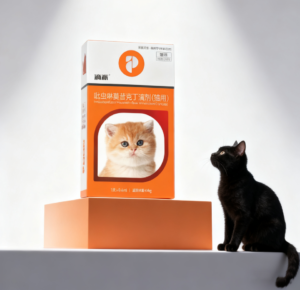
Cat Dewormers Compared: How to Choose the Right One
More than half of household cats are estimated to carry at least one parasite at some point, with fleas, roundworms, and heartworm among the most common. Regular, science-based deworming can sharply lower that risk and protect both cat and owner. This guide compares the main types of cat dewormers by their active ingredients and explains how to match a product to your cat's age, lifestyle, and parasite exposure, so you can build a safe, sustainable routine without relying on brand hype.
How good is bulk dog food?
Bulk dog food is cheap but may use low-grade by-products and lack labeling, risking poor nutrition, contamination, and spoilage.
How good is Lanshi dog food?
Although Lanshi is marketed as a British import, it is actually a domestic Chinese brand. Among domestic foods, its formula is quite good: the top three ingredients are meats, with no grains or gluten added, and it has rich dietary fiber. It contains no controversial preservatives, palatants, or colorants, and its vitamins and minerals are comprehensive. Online prices are around a dozen yuan per jin (500g), offering high overall value.
How Good Is Domestic Miaoduole Cat Food?
Domestic Miaoduole's label is weak: wheat and corn lead, with chicken meal and meat by-products. Added plant protein raises crude protein on paper, but cats absorb it poorly, so nutrition is low. The label is also very vague with no ratios shown.

Is It Safe to Use Mosquito Coils Around Cats?
Many owners heard mosquito coils are toxic to cats; others say marketed coils meet standards and are safe in dose. Which is right?

Essential Home Medicines for Cat Owners
Cat owners often face emergencies like vomiting, eye inflammation, diarrhea, or minor wounds. Keeping some first-aid medicines at home avoids frequent clinic trips and stress for the cat.

How to Choose Cat Food and Canned Food
Cat food, cans, and treats on the market are dazzling, and reviews vary widely. Even well-regarded brands may contain some unhealthy ingredients.