Search Results
97 results for “Ingredient label”

CoQ10 for Senior Dogs and Cats: Spotting the Signs and Picking a Reliable Supplement
As pets age, their liver makes less CoQ10, and the heart—which has the highest energy demand in the body—feels it first. CoQ10 helps power heart-muscle cells and limit oxidative stress, so a shortfall can show up as tiredness, coughing, or faster breathing. Knowing the warning signs and what a well-built formula contains helps you choose a supplement that actually supports your senior dog or cat.
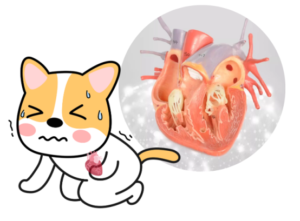
Pet CoQ10 Red/Black List Thinking: Reading the Test Data
About 10% of dogs and 7% of cats develop heart disease in their lifetime, and the early signs are easy to mistake for normal aging or a cold — until diagnosis, when the damage is often irreversible. CoQ10 is frequently advised, but 'which one' is the hard part. This guide separates the real science from the marketing: what CoQ10 actually does, the drug it cannot replace, and the four hard metrics a product should meet.

CoQ10 Transparency: Why ‘Stated and Tested’ Matters
CoQ10 is one of the fastest-growing pet supplements, yet a large share of what is sold may be placeholder. In some regions CoQ10 is not an approved pet-feed ingredient, so labels cannot state it — and many brands hide behind organ-meat or fish powders while promising 'high content' with no amount shown. Industry data suggests over 60% of products are mislabeled, and a 2025 blogger lab test found two of four best-sellers had no detectable CoQ10 at all. This guide explains why a stated, tested product is the only one worth buying.

When Your Pet’s Heart Is Weak: CoQ10 as Part of the Plan
Heart problems are the quiet killers of pet health — by the time a dog pants after a short walk, coughs at night, breathes from the belly, or shows purple gums, heart failure may already be mid-stage and medication-only. CoQ10 is not a cure, but it is far from a placebo: it powers heart contraction, acts as a strong antioxidant, and declines with age. This guide covers the warning signs, the breeds at risk, and how CoQ10 fits into a real care plan.
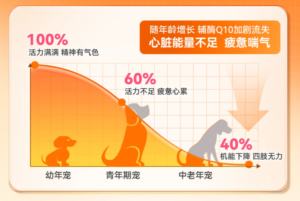
Choosing a Pet CoQ10: Skip the Hype, Pick What Works
As pets reach middle and old age, heart care becomes unavoidable — especially for overweight cats and dogs and for breeds prone to heart disease such as Siamese and Ragdoll cats, Toy Poodles, Pomeranians, and Cavalier King Charles Spaniels. CoQ10 is a core heart nutrient and appears in veterinary cardiac plans, but the crowded market makes choosing hard. This guide explains what CoQ10 does and the three points that separate a working product from a hype-driven one.
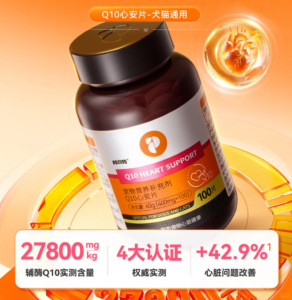
Cat CoQ10 on a Budget: Traits of a Genuinely Good-Value Product
More than 30% of senior cats show heart enlargement or failure, so CoQ10 has become a near-essential for many households — yet buying one that actually works without overspending is harder than it looks. Owners report months of use with no improvement, or 'foreign' brands whose labels turn out false. This guide sets out the traits of a genuinely good-value cat CoQ10 so you can avoid both placebos and overpriced imports.
Dog CoQ10 Industry Reality: What ‘Reliable’ Really Means
CoQ10 is a legitimate heart-support nutrient, but the category is clouded by unclear labeling and inconsistent content. In some markets CoQ10 is not yet an approved pet-feed ingredient, so packages often cannot state it outright, while listings still promise 'high content' with no verifiable amount. This guide explains the transparency problem, the dosing that actually matters, and how to recognize a product that is genuinely reliable.
Dog CoQ10 Safety: Three Traps to Avoid When Buying
With CoQ10, 'has some in it' is not the same as 'works,' and 'is CoQ10' is not the same as 'safe.' Many owners shop by headline number and price while missing the safety basics, then feed a product that adds burden rather than benefit. This guide walks through three common traps — questionable raw materials, misleading labels, and harmful additives — and what a genuinely safe dog CoQ10 formula should look like.

How to Choose a Safe Cat CoQ10 Supplement
Feline heart disease is more common and more silent than many owners realize: hypertrophic cardiomyopathy affects roughly 11–16% of cats overall and a much higher share of high-risk breeds, often with no obvious signs until heart failure is already underway. CoQ10 supports heart-cell energy and is a popular preventive, but the market is uneven. This guide sets out three practical safety standards and the common pitfalls to avoid when choosing a product.

CoQ10 for Senior Cats with Heart Concerns: A Buying Checklist
The heart is the body's highest-energy organ and holds a large share of a cat's CoQ10, so as production falls with age or hereditary risk, supplementation can support heart-muscle energy and act as an antioxidant. This checklist explains why senior and high-risk cats are the ones most likely to benefit, the five points to verify before buying, and the safety limits every owner should respect.