Search Results
97 results for “Ingredient label”

Chartreux
The Chartreux, also called the Chartreux Blue Cat, has the English name Chartreux. Native to France, its history dates to the 14th century. Together with the British Shorthair Blue and the Russian Blue, it is one of the world's three great blue cats. The Chartreux has a long history, recorded in publications as early as 1558.

Cornish Rex
The Cornish Rex, English name Cornish Rex, originates from England. Its ancestor is a non-purebred shorthair, dating to 1950, with a childlike, mischievous personality. The breeder mated the first kitten, Kallibunker, with its mother, producing more cats. This is the origin of the Cornish Rex breed.

Siamese
The Siamese cat, also called the Thai cat, with English name Siamese, traces its origins to Thailand in the 14th century from non-purebred Asian cats. Once living in royal palaces and temples, it was later given as a diplomatic gift to other countries. Famous for its striking color points, blue almond eyes, and vocal, affectionate personality, the Siamese is a beloved and distinctive breed.
What should I do if my cat accidentally ingests serum or essence?
If a cat licks a small amount of serum, it usually causes little harm, but if a large amount is ingested, you should contact a veterinarian right away. Check the ingredients for anything toxic to cats and watch for symptoms such as vomiting or diarrhea.

Benefits and Precautions of Fish Oil for Cats
Fish oil rich in omega-3 supports a cat's skin, coat, immune system, and heart, but it must be dosed carefully and chosen well. This guide covers the benefits of supplementing fish oil and how to feed it safely without causing harm.
What happens if a dog drinks medicated bath water?
If a dog drinks medicated bath water, it may cause poisoning, nausea, vomiting, and other reactions. Different drug ingredients have different effects, so take it to a nearby vet quickly with the product packaging or label. Large amounts may need emergency care like gastric lavage or injections.
Why Is My Cat Lethargic After Deworming? Normal vs. Emergency
Mild drowsiness and reduced appetite after deworming are usually normal — the low-toxicity drug is metabolizing and the cat may be stressed. These fade within 24–48 hours. But if lethargy lasts over 2 days, or comes with vomiting, diarrhea, breathing trouble, or tremors, it may be an allergy, wrong dose, or hidden illness and needs a vet.
Is It Normal for a Cat to Have Diarrhea from Hairball Paste?
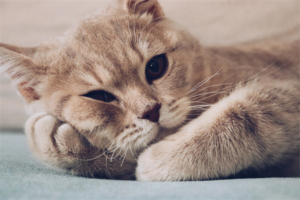
Hairball paste rarely causes diarrhea; loose stools usually mean too much at once. Stop feeding and the stool should normalize. If it persists with low energy or appetite loss, see a vet, as it may be allergy, parasites, or infection. Use 1 to 2 times weekly.

What Is Crude Ash in Dog Food
Crude ash is the inorganic residue left after dog food is burned off — an unavoidable byproduct used to judge quality. Lower is better, and it should stay at or below 10%. Check the label and avoid cheap, overly greasy, or preservative-heavy foods.

How to Manage a Cat’s Frequent Soft Stools
Frequent soft stools usually come from a sudden food change, allergy, bad food, parasites, or gut-flora imbalance. Keep a food diary, switch foods over 7 days, add a cat probiotic, cut environmental stress, and deworm regularly; if it persists with weight loss, a fecal test and prescription diet may be needed.