Search Results
1231 results for “Indigestion”

6 Common Vegetables That Are Dangerous — Even Fatal — for Dogs
Dogs are omnivores that can safely eat most common vegetables in moderation (keeping them under 25% of the diet), but several everyday ones are off-limits. Beyond the well-known onion, celery, bean sprouts, tomatoes, mushrooms, peas, and especially chives can cause anything from digestive upset to life-threatening poisoning. When in doubt, leave the vegetable out of the bowl.
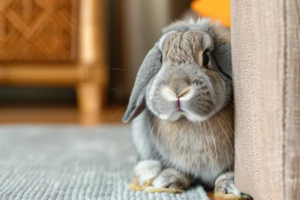
Common Abnormal Rabbit Droppings
Rabbit diarrhea varies by cause — simple overeating, too much protein or grain, mild fermentation, or E. coli — and each calls for a different fix built around short fasting, gut probiotics, and diet correction. Watery, foul droppings may signal the dangerous Clostridium perfringens and need immediate fluids.

Does Eating Grass Hurt a Dog?
An occasional nibble of grass does no real harm, but letting a dog graze often is risky: lawns may carry pesticide or rat poison, grass awns can lodge in the throat or coat, and parasite eggs and bacteria on grass invite internal worms and diarrhea. If the habit persists, suspect a nutrient gap or indigestion, enrich the diet, and deworm on schedule.
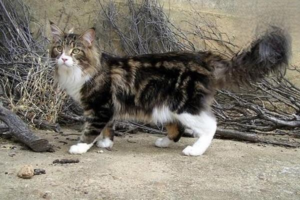
What Causes Abdominal Distension in Cats?
Abdominal distension in cats can signal anything from benign indigestion to serious congenital defects such as anal atresia or polycystic kidney disease. Dietary causes include spoiled ('toxic') milk from an infected queen, while parasites, infections, and simple digestive upset are common culprits. Because bloating ranges from mild to life-threatening, prompt deworming, probiotics, or a veterinary diagnosis is essential.
Why Is My Cat Vomiting Clear Liquid or Foam?
Clear or foamy vomit — with no hair or food — usually means a hairball, mild indigestion (overeating, sudden diet change, gut or kidney disease, diabetes), a toxin or blockage (both emergencies), or, in cats over 12, hyperthyroidism. Daily brushing and a hairball remedy help with the first; anything toxic or a suspected blockage needs immediate veterinary care.

Why Your Cat Has Bad Breath
Cat bad breath usually traces to dental caries from soft food, mouth infections, poor digestion, or a vitamin B shortage. Brush the teeth, ease the gut with probiotics, and add B vitamins, and see a vet when the cause is unclear.

Why Your Cat Won’t Eat, Looks Lethargic, and Is Losing Weight
A cat that stops eating grows weak and thins fast, and prolonged refusal can be fatal, so find the cause. Look to gut disease, viral infection like panleukopenia or rhinotracheitis, parasites or hairballs, or unspent heat, and see a vet when unsure.

Why Is My Dog Vomiting Yellow Foam and Mucus?
Yellow foam and mucus usually mean gastroenteritis, but the cause can also be parvovirus, indigestion from overeating, irregular feeding, internal parasites, or a swallowed foreign object. Because the causes range from mild to life-threatening, a dog that vomits repeatedly needs a veterinary diagnosis.

At What Age Can a Dog Eat Canned Food?
Wait until a dog is fully grown before offering canned food — a puppy's gut is too sensitive and canned meals can trigger vomiting and diarrhea. Skip fruit cocktails and don't make cat food a habit; choose dog-specific meat cans as a supplement to kibble, and use meat or dental chews as treats.

Do Cats Get Cold Outside in Winter?
Cats do feel the cold despite their thick coats, and once temperatures drop past what they can bear they get chilled and sick — so bring outdoor cats inside in winter. Raise food a little (they burn energy faster), keep them moving and sunny, dress them for outings, and shield pregnant cats and drafts to avoid winter colds and pneumonia.