Search Results
644 results for “IV fluids”

Treating Refractory Anorexia in Dogs
Stubborn, hard-to-cure anorexia in dogs usually starts from eating unclean food or a sudden weather change that upsets digestion. Affected dogs run a temperature swing, vomit and diarrhea, and hide, and are managed with fluid and cardiac support plus oral antiviral, hemostatic, and antibiotic medication.
Fever in Cats: Causes and Management
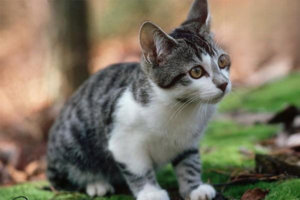
Fever is a reset of the hypothalamic set point that helps the immune system fight infection, whereas hyperthermia is heat overload without a set-point change. Management targets the underlying disease with fluids, antibiotics, and nutrition, using antipyretics only above 41 C because NSAIDs clear slowly and risk kidney toxicity in cats.
Feline Acute Pancreatitis: Symptoms and Care
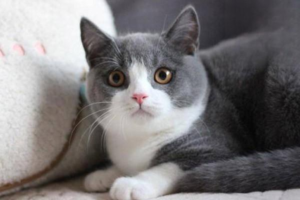
Feline acute pancreatitis happens when pancreatic enzymes activate inside the gland and digest the organ itself, causing swelling, bleeding, or necrosis. Cats show vomiting, anorexia, dehydration, and abdominal pain, and are managed with fasting, antiemetics, pain control, fluids, and a low-fat diet.

Cat Diarrhea: Causes and What to Do
Cat diarrhea ranges from simple diet-change soft stool in kittens to bacterial or viral enteritis and intestinal parasites. Most mild cases improve with a short fast and gut-support supplements, but enteritis needs prompt fluids and antiparasitic or antiviral care, and persistent unformed stool calls for deworming.

What Causes Pancreatitis in Cats?
Feline pancreatitis is one of the most common cat illnesses, striking obese and senior cats most often and frequently traveling with bowel and bile-duct inflammation as a 'triaditis.' It starts when the pancreas digests itself through activated enzymes, and repeated vomiting with no food can slide into dangerous fatty liver, so veterinary care should not wait.

Why Your Cat Breathes Loudly While Sleeping
A loud purr or snore during sleep is often just contentment, but pair it with sneezing or coughing and a respiratory infection is likely — narrowed airways make breathing noisy. Mild cases respond to doxycycline, while severe ones need nebulization, fluids, and a vet's diagnosis.
How to Reduce a Cat’s Fever
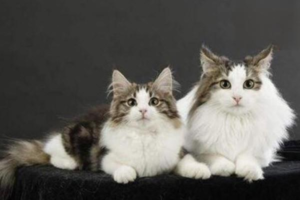
A cat's normal temperature is 38–39°C; 39.5°C is a clear fever and over 40°C is urgent. Cool with ice packs on the limbs and ears (briefly), alcohol wipes on thin-skinned areas, or a 25°C water dunk, and always keep water and nutritious food coming — but recurring fever means a vet visit.
Common Abnormal Rabbit Droppings
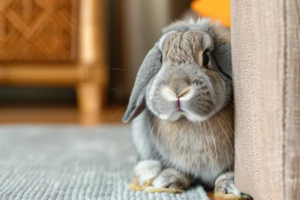
Rabbit diarrhea varies by cause — simple overeating, too much protein or grain, mild fermentation, or E. coli — and each calls for a different fix built around short fasting, gut probiotics, and diet correction. Watery, foul droppings may signal the dangerous Clostridium perfringens and need immediate fluids.

How Much Water Should a Dog Drink a Day?
A puppy needs about 80 ml of water per kg daily and an adult about 100 ml; falling short loads the kidneys and feeds stones and urinary disease. Watch for dry gums, sunken eyes, and dullness as dehydration sets in, and coax drinking with pre-meal sips, walks with water, or a splash of broth.

Do You Need a Shot After a Bleeding Cat Scratch?
If a cat that's up to date on its rabies vaccine scratches you and draws blood, you usually don't need the shot. For unvaccinated or out-of-date cats, wash the wound thoroughly, disinfect it, and see a doctor about rabies vaccination. Rabies spreads through saliva, and a cat's paws often carry traces of it from grooming.