Search Results
3405 results for “Heat”

Are There Side Effects from Estrus-Suppressant Powder in Cats?
Estrus-suppressant powder is a hormonal product that briefly stops a cat's heat behaviors with little to no side effect when used occasionally. Long-term reliance, however, disrupts the hormones and endocrine system, so spaying remains the recommended fix for recurring heat.

Hamster Diabetes: What It Is and How to Prevent It
Hamster diabetes works like the human kind — too little insulin drives blood sugar up — and comes in Type I (most dwarf hamsters) and Type II (obesity-linked). It cannot be cured, so prevention through a low-sugar, high-fiber diet and exercise is the best defense, with test strips for at-home screening.
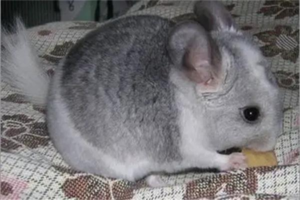
Why Chinchillas Urinate in the Wrong Place and What to Do
Chinchillas are clean and usually use one spot, so random urination points to marking, estrus, anxiety, food dislike, or a learned habit. The fix depends on the cause — more attention, separating sexes in heat, vinegar to erase scent marks, or adjusting the diet.

Is It Normal for a Cat to Suddenly Drink More Water?
Cats are built to drink little, so a sudden jump in water intake can signal trouble—hot weather and salty food are benign, but kidney disease and diabetes are the worrying causes. A cat needs about 45–50 ml per kg daily; keep fresh water available and tempt reluctant drinkers with a little broth or food topper.

What Causes Blood in a Dog’s Urine?
Blood in urine usually means a few streaks rather than a gush, but it warrants attention. Common causes are urinary-tract disease (cystitis, urethritis, stones), poisoning from onion/chocolate/grapes, or pseudo-blood from a male in heat. Get a diagnosis first; treatment ranges from fluids and surgery to neutering.

Signs of Labor in a Toy Poodle
Toy Poodles show the usual labor signs: restlessness, nesting, lost appetite, and contractions around day 60 of gestation. Prepare a quiet whelping box, a clean kit, vet contact for dystocia, and clip the dam's belly and vulva ahead of time.

Medications for Treating a Cat’s Cold
Cat colds are usually treated with pet-specific antibiotics such as amoxicillin-clavulanate, doxycycline, or enrofloxacin, given strictly by weight. Keep a mildly affected cat warm and observe it at home, but see a vet if symptoms last beyond 3–5 days or a viral infection (calicivirus or herpesvirus) is suspected.
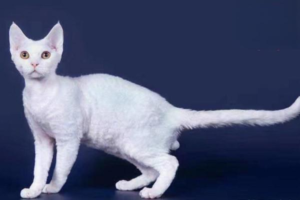
Cold Symptoms and Fever in Sphynx (Hairless) Cats
Sphynx (hairless) cats lack a fur coat and lose heat far more easily, so they catch colds more readily than other breeds. Mild cases with a low fever under 39.5°C can often recover at home with warmth and supportive care, but a cat that won't eat, grows weak, or fails to improve needs prompt veterinary attention.

How Canine Infectious Hepatitis Spreads and How to Prevent It
Canine infectious hepatitis spreads through the saliva, urine, and feces of sick or recovered carrier dogs — the virus survives in the environment for 6–9 months, with unvaccinated puppies at highest risk. Vaccination from 45 days of age plus strict hygiene and isolation are the keys to prevention.

Why a Kitten May Have High Internal Inflammation
Inflammation is the body's defensive response to irritation — infection, injury, parasites, or organ disease — and shows as fever, redness, pain, and poor appetite. Find the underlying cause with veterinary testing, treat it specifically, and rely on regular checkups to catch problems early.